
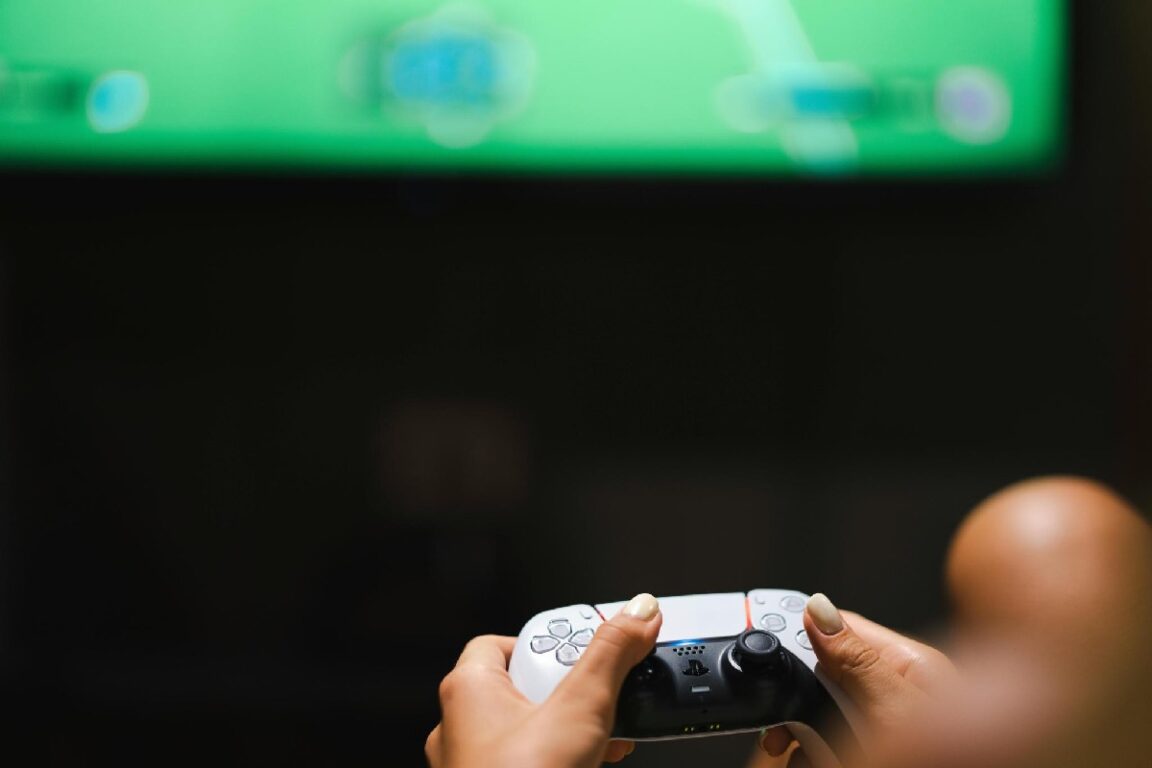
Video games get a bad rap. Parents worry. Teachers complain. The media loves a good “gaming is evil” story. But here’s the thing–they’re probably wrong.
I’ve been digging into the research lately, and it turns out gaming might actually be good for you. Not just “not terrible,” but genuinely beneficial. We’re talking real health benefits that could change how you think about picking up that controller.
Let me share five benefits that’ll surprise you. Trust me, even I didn’t see some of these coming.
1. Your Brain Gets Sharper
This one blew my mind when I first read about it.
Playing video games doesn’t just kill time–it upgrades your brain. We’re talking better memory, laser focus, and problem-solving skills that would make Sherlock Holmes jealous.
Think about it. When you’re playing Civilization, you’re juggling dozens of variables. Resources, diplomacy, military strategy. Your brain’s working overtime, and it loves it.
Action games are even better for quick thinking. Ever tried playing Call of Duty while having a conversation? Yeah, good luck with that. These games force your brain to process information at lightning speed.
These skills stick around after you turn off the console. Gamers perform better on memory tests. They’re faster at making decisions. Some studies even show improved performance at work.
So next time someone says gaming rots your brain, you can politely disagree. With science.
2. Gaming Actually Makes You More Social
I know what you’re thinking. “The antisocial gamer in mom’s basement” stereotype is hard to shake. But modern gaming is incredibly social.
Jump into any multiplayer game, and you’ll see what I mean–teams strategizing in real-time, players teaching newbies the ropes, and friendships forming across continents.
My cousin was painfully shy in high school. He couldn’t order pizza over the phone. But put him in a World of Warcraft raid, and suddenly he’s leading 20 people through complex battles. That confidence carried over into real life.
Gaming communities can be incredibly supportive, too. I’ve seen players rally around someone going through tough times. They organize charity streams. They celebrate each other’s victories.
Sure, there are toxic players out there. But that’s true anywhere people gather. The gaming community, at its core, is about shared experiences and mutual support.
3. Surgeons Who Game Make Fewer Mistakes
This sounds like something I’d make up, but it’s actually true. Doctors who play video games perform better in surgery. We’re talking measurably better–fewer errors, faster completion times, better outcomes.
Makes sense when you think about it. Surgery requires incredible hand-eye coordination, split-second decisions, and steady hands under pressure. Video games train all of these skills.
Professional athletes figured this out years ago. They use gaming to improve reaction times and coordination. Formula 1 drivers practice on simulators that are basically very expensive video games.
Even everyday activities benefit. Gamers tend to be better drivers (despite what your insurance company might think). They’re more coordinated in sports. They adapt faster to new physical challenges.
Your thumbs might be getting a workout, but so is your entire nervous system.
4. The Best Stress Relief You Never Considered
Had a terrible day at work? Gaming might be exactly what you need.
I’m not talking about mindless distraction (though sometimes that helps too). Gaming provides genuine stress relief through several mechanisms.
Take Stardew Valley. You’re farming virtual crops, talking to pixelated villagers, and somehow all your real-world stress melts away. There’s something deeply satisfying about creating order in a digital world when your actual life feels chaotic.
Or maybe you need to blow off steam. A few rounds of your favorite shooter can be incredibly cathartic. Better to take out your frustrations on digital enemies than real people, right?
The science backs this up. Gaming releases endorphins–your brain’s natural feel-good chemicals. Heart rate decreases. Cortisol levels drop. It’s like meditation, but with better graphics.
Just don’t game right before bed. That blue light isn’t doing your sleep schedule any favors.
5. Gaming Makes You More Creative and Adaptable
Video games constantly throw curveballs at you–new challenges, unexpected obstacles, creative solutions required. Your brain learns to roll with the punches.
Minecraft is the perfect example. Give someone an empty world and basic building blocks, and watch what happens. People create architectural marvels, working computers, and entire cities. The creativity is mind-blowing.
But it’s not just sandbox games. Every game teaches adaptability. Boss fights force you to learn patterns and adjust strategies. Puzzle games demand creative thinking. Even sports games require tactical flexibility.
This mental agility transfers to real life. Gamers tend to be better at brainstorming. They approach problems from multiple angles. They’re more comfortable with uncertainty and change.
It’s like playing mental crypto poker, where thinking on your feet and strategic planning are absolutely key to success.
The Bottom Line
Gaming isn’t just entertainment anymore. It’s brain training, social networking, stress relief, and creativity booster all rolled into one.
I’m not saying you should quit your job and become a professional gamer (though if that’s your dream, go for it). But maybe it’s time to stop feeling guilty about your gaming hobby.
So go ahead. Pick up that controller. Your brain will thank you. Just remember to take breaks, stay hydrated, and maybe step outside once in a while. Balance is still important, even when you’re optimizing your cognitive performance through digital entertainment.
Gaming has come a long way from Pong. Maybe it’s time our attitudes caught up.