
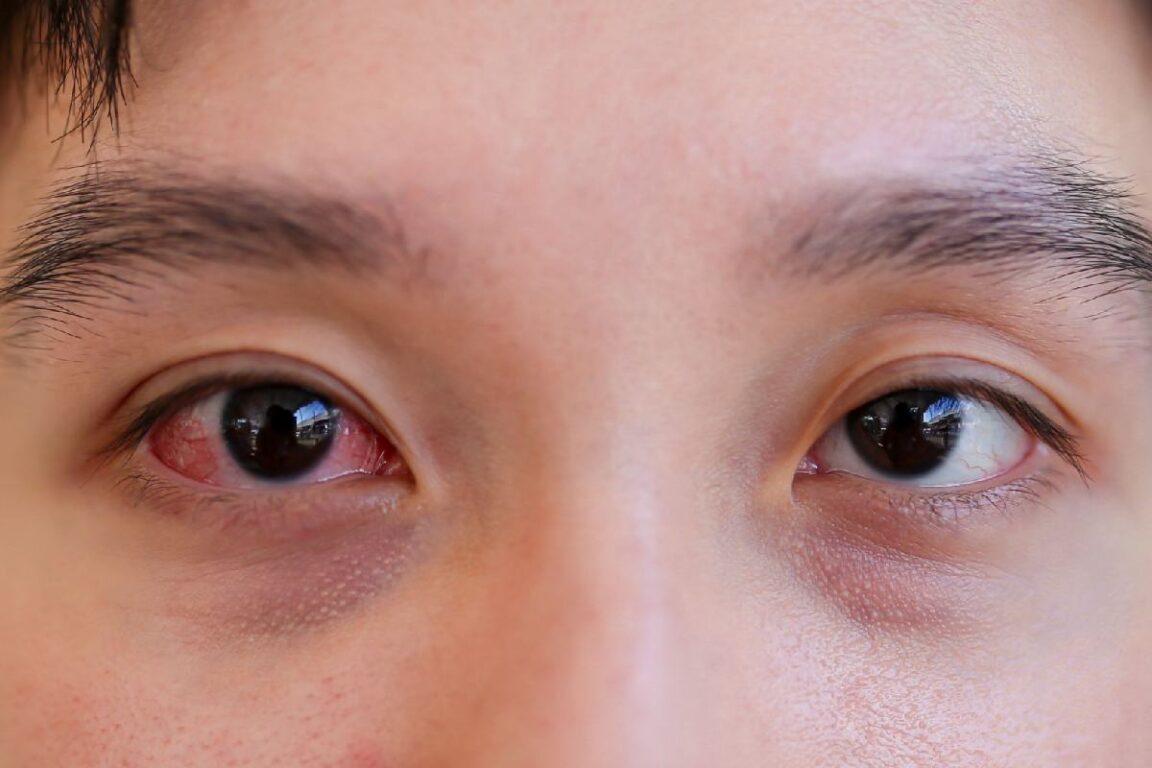
Most serious eye diseases develop silently. They cause no pain and show few warning signs until damage becomes irreversible. This makes regular comprehensive eye exams essential for protecting your vision throughout your lifetime.
The Silent Nature of Eye Disease
Glaucoma damages the optic nerve gradually, typically affecting peripheral vision first. About half of people with glaucoma remain unaware they have the condition. By the time patients notice vision changes, permanent damage has already occurred.
Diabetic retinopathy follows a similar pattern. High blood sugar damages blood vessels in the retina, causing them to swell and leak. The condition typically affects both eyes and progresses without symptoms in early stages. People with diabetes face significant risk, making regular monitoring crucial for preventing vision loss.
Age-related macular degeneration affects central vision but often develops in one eye while the other compensates. Early signs include protein deposits called drusen in the retina, which can only be detected during a comprehensive exam. Without early detection, the condition progresses and makes reading, driving, and recognizing faces increasingly difficult.
Treatment Works Best When Started Early
Early diagnosis creates opportunities for intervention that can preserve vision. While many eye diseases cannot be cured, treatments can slow progression and prevent severe vision loss when started at early stages.
For diabetic retinopathy, early detection and treatment can prevent blindness in a significant majority of cases. Glaucoma responds to prescription eye drops that lower pressure and slow optic nerve damage. Age-related macular degeneration treatment includes nutritional supplements, medications, and laser therapy that work most effectively before extensive damage occurs.
According to the National Eye Institute, regular eye exams are critical for identifying conditions before they cause permanent damage. Specialists like Eduardo Besser, M.D. use advanced diagnostic technology to detect problems in their earliest stages.
What Comprehensive Eye Exams Reveal
Modern eye exams go far beyond checking your prescription. Dilated eye exams allow specialists to examine the retina, optic nerve, and blood vessels thoroughly. Advanced imaging techniques like optical coherence tomography create detailed 3D images of retinal layers, revealing subtle changes that indicate disease.
Tonometry measures eye pressure to screen for glaucoma. Fluorescein angiography uses special dye to highlight blood vessel abnormalities that signal diabetic retinopathy or macular degeneration. These tests detect problems before symptoms appear, when treatment options are most effective.
While cataracts develop more obviously than other conditions, early detection still matters. Regular monitoring allows your specialist to track progression and recommend Los Angeles cataract surgery at the optimal time for the best outcomes.
Who Needs Regular Eye Exams
Adults should begin comprehensive eye screenings at age 40, with annual exams becoming essential after age 65. People with diabetes need immediate eye exams upon diagnosis and regular monitoring afterward. Family history of eye disease also increases risk and warrants more frequent evaluation.
Those considering vision correction procedures should maintain regular eye care. Routine exams ensure candidates for Los Angeles LASIK eye surgery have healthy eyes free from diseases that could affect outcomes.
Vision loss from conditions like glaucoma and macular degeneration cannot be reversed. However, nearly half of people at high risk skip annual eye exams. This delay allows preventable damage to occur.
Protect Your Vision Through Early Detection
Don’t wait for symptoms to take action. Most sight-threatening conditions cause no noticeable changes until permanent damage has occurred. Schedule your comprehensive eye exam today and ensure problems are caught when they’re most treatable. Your future vision depends on the proactive steps you take now.