
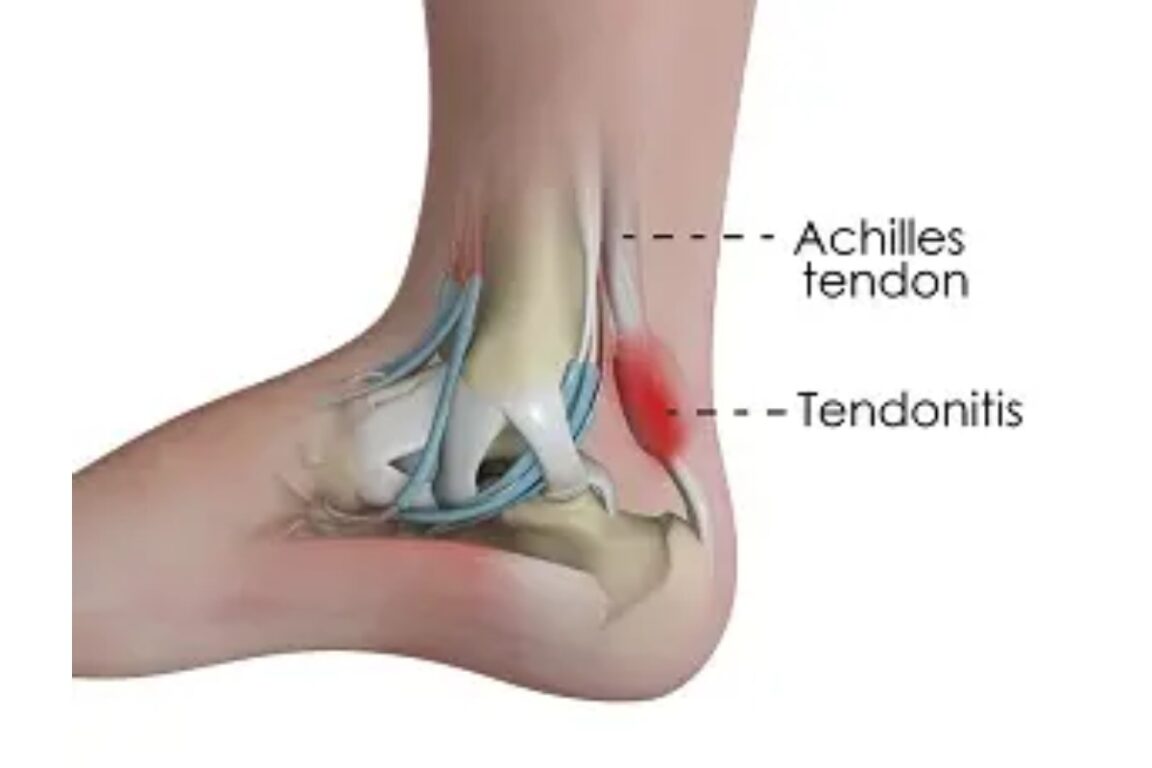
Achilles tendinitis is a common condition that affects the large tendon connecting the calf muscles to the heel bone. It often develops gradually, with early symptoms including stiffness, swelling, or pain at the back of the heel. While many cases resolve with conservative care such as rest, stretching, and guided exercise, some situations require more advanced intervention to restore function and reduce discomfort.
When conservative treatment is not effective or symptoms persist for an extended period, medical professionals may recommend achilles tendinitis surgery to address underlying structural issues. Understanding when surgery is appropriate, and what it involves, helps individuals make informed decisions about their care and recovery.
What Causes Achilles Tendinitis
The condition often develops due to repetitive stress on the tendon, particularly in people who increase their exercise intensity quickly without adequate conditioning. Athletes, runners, and individuals who engage in frequent jumping or acceleration activities are especially at risk. Poor footwear, limited flexibility, and sudden changes in training surfaces can also contribute to tendon strain. Over time, repetitive strain can lead to microtears in the tendon and chronic inflammation. In early stages, pain may only be noticeable after activity, but without appropriate care, it can worsen and interfere with everyday movements such as walking or climbing stairs.
Symptoms That Signal You Should Seek Help
While mild discomfort around the Achilles tendon is relatively common, there are specific symptoms that suggest the condition is more than simple soreness. Persistent pain that lasts for weeks despite rest, waking up with stiffness in the heel, or visible swelling around the tendon are all signals that professional assessment is needed.
If symptoms interfere with normal activities or cause noticeable changes in walking patterns, getting a thorough evaluation from a qualified specialist can help determine the best course of action before further damage occurs.
Non-Surgical Treatment Options
Conservative care for Achilles tendinitis focuses on reducing inflammation, improving tendon strength, and addressing underlying movement patterns. These approaches often include:
- Rest and activity modification to reduce strain
- Stretching and strengthening exercises, particularly for the calf muscles
- Use of supportive footwear or orthotics
- Anti-inflammatory modalities such as ice or therapeutic ultrasound
For many individuals, these measures significantly reduce pain and support gradual return to activity. Working with a physiotherapist or specialist ensures that exercises are performed safely and effectively.
When Surgery Becomes Appropriate
Surgery may be recommended when symptoms do not improve after a sustained period of conservative care, typically several months, or if there is significant degeneration within the tendon itself. In cases where tendon fibres have deteriorated or there is evidence of additional structural issues, surgical intervention may provide more lasting relief.
The goal of the surgery is to repair or remove damaged tissue, improve tendon health, and restore optimal mechanical function. Surgical approaches are tailored to individual needs and may vary depending on the severity and location of tendon changes.
What to Expect With Surgical Treatment
Achilles tendon surgery is typically performed under regional or general anaesthesia, and the specific technique depends on the nature of the pathology being addressed. During the procedure, the surgeon may remove degenerative tissue, repair or reinforce tendon fibres, and improve the tendon’s overall structure to promote better healing. Recovery involves a structured rehabilitation plan that gradually restores strength and flexibility while protecting the surgical repair. Physical therapy plays a key role in recovery, helping individuals regain range of motion and return to desired activities safely.
Supporting Your Recovery Journey
Post-surgical recovery is a gradual process. Early stages focus on protecting the repair and controlling inflammation, often with the use of braces, boots, or crutches. As healing progresses, guided therapy introduces gentle movement, strengthening exercises, and eventual return to higher-level activities.
Patience and adherence to rehabilitation guidelines are important components of successful outcomes. Regular follow-up with your healthcare team helps monitor progress and adjust the recovery plan as needed.
Making an Informed Decision About Surgery
Deciding whether to pursue surgery for Achilles tendinitis involves weighing the severity of symptoms, the effectiveness of conservative care, and individual goals for activity and lifestyle. Understanding foot surgery procedures and their potential benefits as well as the recovery process helps individuals approach this decision with confidence.
With experienced medical guidance and a clear rehabilitation strategy, this surgery can offer meaningful relief and renewed function for those who have not found success with non-surgical approaches. This comprehensive care supports long-term recovery and helps individuals return to the activities they enjoy with greater comfort and stability.