
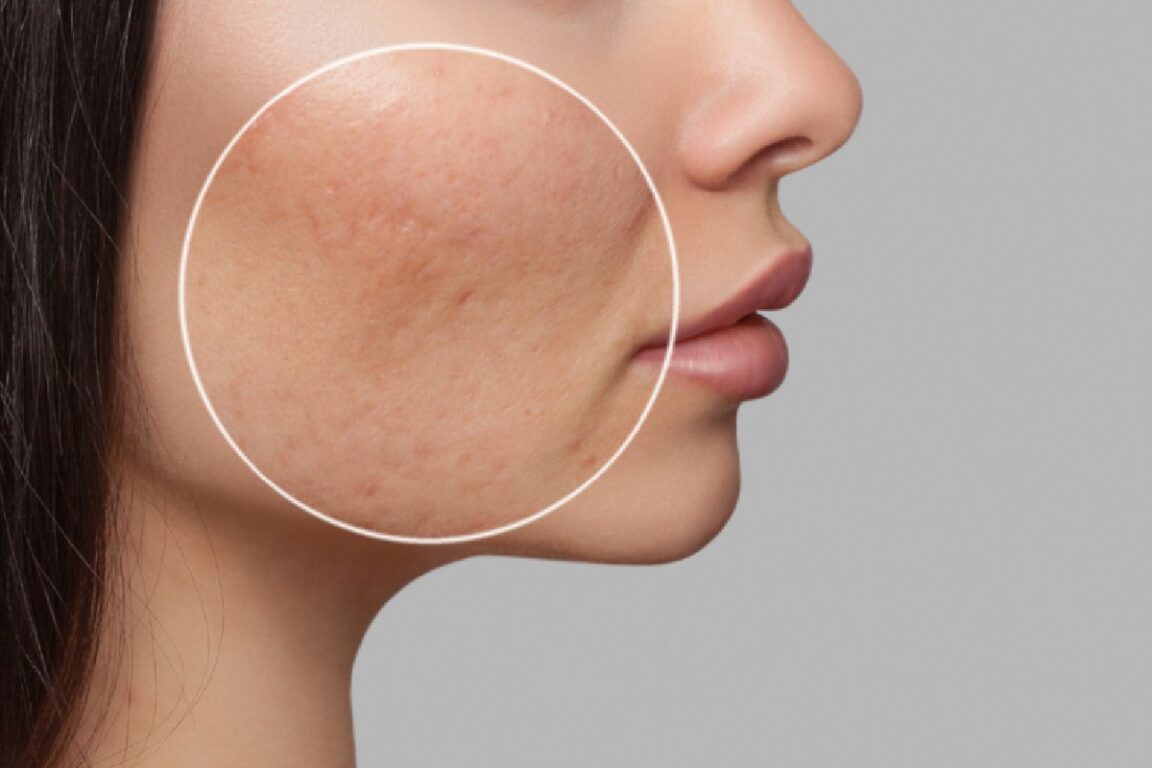
Acne scars tend to linger long after breakouts have settled, and for many people, they become a quiet source of frustration. The skin may feel uneven to the touch, or light may catch certain areas differently, making scars more noticeable than expected. Over time, this can affect confidence, even if active acne is no longer a concern. In aesthetic clinic settings, conversations about acne scars often begin with questions about safety rather than speed. People want improvement, but not at the cost of making their skin more sensitive or unpredictable.
Treating acne scars is rarely about a single procedure or a one-time decision. The process usually involves understanding how the scars formed, how the skin heals, and what level of change feels realistic. Clinical approaches focus on balancing effectiveness with skin health, especially since scar treatment intentionally stimulates the skin. This balance is what often determines whether results feel steady or disappointing.
Understanding Scar Treatment in a Clinical Setting
In consultations, discussions about best acne scar treatment Singapore often arise in the middle of broader conversations about skin sensitivity, healing history, and long-term goals, rather than as a quick recommendation. This context matters because acne scars vary widely, and so does skin tolerance.
Clinical approaches prioritize assessment before action. Scars are examined for depth, shape, and distribution. Some scars are shallow and spread out, while others are deeper and more localized. In practice, this evaluation helps determine which treatments may be suitable and how cautiously they should be introduced.
Safety is usually the first consideration. Even effective treatments can cause setbacks if the skin is not prepared or if expectations are not aligned with reality.
Different Types of Acne Scars and Why They Matter
Acne scars are not all the same. Depressed scars, such as rolling or box-type scars, create uneven texture. Ice pick scars are narrower and deeper, often requiring more targeted approaches. Raised scars, though less common, involve excess collagen formation rather than loss.
Each scar type responds differently to treatment. Therefore, clinical plans are often layered. One approach may address surface irregularities, while another targets deeper structural issues. In practice, most people have a combination of scar types, which explains why treatment outcomes can feel uneven at first.
Understanding scar type helps avoid mismatched treatments that may improve one area while leaving others unchanged.
Safety as the Foundation of Effective Treatment
Safety in scar treatment is not only about avoiding complications. It also involves minimizing prolonged redness, pigmentation changes, or delayed healing. Acne-scarred skin often has a history of inflammation, which can make it more reactive.
Clinical approaches often start conservatively. Lower intensity settings, longer intervals between sessions, and careful monitoring are common strategies. Unfortunately, this can feel slow, especially for those eager to see visible change. However, this pacing often reduces the risk of post-inflammatory pigmentation or scarring.
In practice, skin that heals well tends to show more consistent improvement over time.
Gradual Remodeling Rather Than Instant Correction
Most acne scar treatments work by stimulating collagen remodeling. This process takes time. After treatment, the skin begins a repair cycle that unfolds over weeks or months. Therefore, early results may appear subtle or inconsistent.
Some areas may improve quickly, while others lag behind. This unevenness is common and does not necessarily indicate failure. In many cases, deeper changes continue beneath the surface before becoming visible.
Clinical care often emphasizes patience. Trying to accelerate remodeling too aggressively can overwhelm the skin and lead to setbacks.
Combining Treatments Carefully
Combination approaches are frequently used in clinical settings, but they are introduced thoughtfully. One treatment may focus on stimulating collagen, while another refines surface texture. The key is timing.
Layering treatments too closely can increase irritation. Therefore, sessions are often spaced out, allowing the skin to recover fully between interventions. This spacing may extend the overall treatment timeline, but it often improves tolerance and outcome.
In practice, combination care is less about doing more and more about doing the right things in the right order.
Skin Preparation and Aftercare
Preparation before treatment and aftercare afterward play significant roles in safety and effectiveness. Before procedures, skincare routines are often adjusted to support the skin barrier. Harsh exfoliation or frequent product changes are usually discouraged.
After treatment, gentle care becomes essential. Moisturization, sun protection, and avoiding unnecessary irritation help the skin heal more predictably. Without these measures, improvements may be overshadowed by redness or pigmentation changes.
In many cases, aftercare determines whether results feel smooth or uneven.
Managing Expectations and Emotional Impact
Acne scars often carry emotional weight. Some people feel discouraged after trying multiple treatments with limited success. Others worry about worsening their skin by doing too much.
Clinical care involves addressing these concerns openly. Setting realistic expectations helps align perception with progress. Improvement does not always mean flawless skin. Often, it means softer edges, smoother texture, and scars that draw less attention.
For many people, these subtle changes significantly improve confidence, even if scars remain faintly visible.
Long-Term Maintenance and Skin Health
Scar treatment does not end after the final session. Skin continues to age and respond to environmental factors. Maintenance strategies are often discussed as part of clinical planning.
These strategies may include ongoing skincare, occasional touch-up treatments, or lifestyle adjustments. While this ongoing aspect can feel discouraging, it reflects the reality of skin biology rather than treatment failure.
In practice, maintaining improvement is often easier than starting from the beginning again.
When to Seek Professional Help
- Scars that appear to deepen or become more noticeable over time
- Persistent redness or darkening after previous treatments
- Active acne that complicates scar-focused care
- Skin that reacts strongly to mild procedures or products
- Uncertainty about which scar type is present or how to proceed
Building Steady Improvement Over Time
Clinical approaches to acne scar treatment emphasize steady progress rather than dramatic transformation. By prioritizing safety, skin tolerance, and gradual remodeling, these methods aim to reduce setbacks and improve long-term satisfaction.
Unfortunately, there are few shortcuts when it comes to scar improvement. Skin needs time to heal and rebuild. Over time, however, consistent and cautious care often leads to meaningful changes that feel natural rather than forced.
Viewing treatment as a process rather than a single event can make the journey feel more manageable and less stressful.
Commonly Asked Question
Can acne scars be treated without damaging the skin?
In many cases, yes. Treatments are designed to stimulate controlled healing rather than cause harm, especially when performed carefully.
How long does it usually take to see results?
Results often appear gradually over several months. Deeper scars may require longer treatment courses.
Are multiple treatments always necessary?
Often, they are. Most scar treatments rely on cumulative effects rather than single sessions.
Can treatments worsen pigmentation?
This can happen if inflammation is not well controlled. Proper settings and aftercare help reduce this risk.
Is complete scar removal possible?
Complete removal is uncommon. Most treatments aim to improve texture and visibility rather than erase scars entirely.
Next Steps
If acne scars continue to affect how you feel about your skin, consulting an aesthetic clinic can help clarify which clinical approaches may be suitable and how safely they can be applied. Understanding your scar type, skin behavior, and healing response may make the process feel more predictable and supportive over time.