
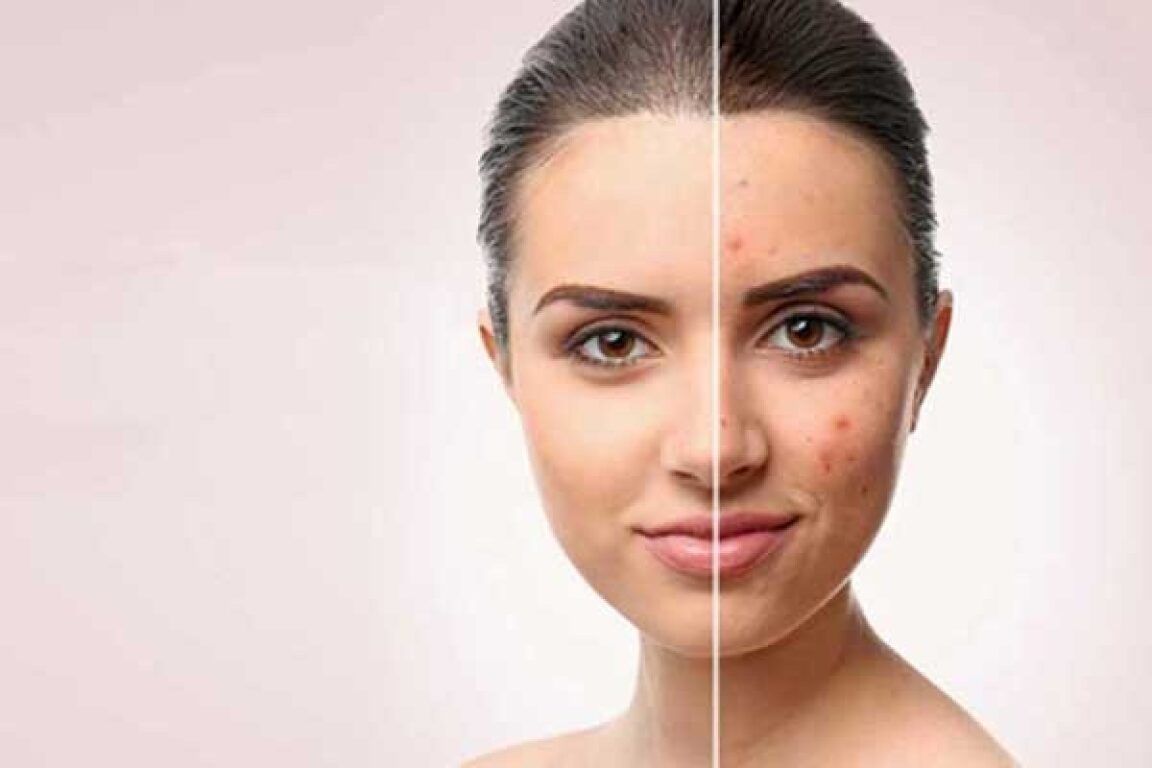
Scar Treatment tend to tell different stories, even when they look similar at first glance. A scar left behind after surgery behaves differently from one caused by an accident, and both are quite distinct from scars formed after acne. For many people, this difference only becomes obvious when treatments that worked for one type of scar fail to deliver the same results for another. This is often where confusion starts, especially for those exploring options to improve skin texture and appearance.
In dermatology practice, acne scars are treated as a category of their own. They develop through a specific inflammatory process and tend to affect the skin in a more complex, uneven way. Because of this, approaches used for general scars are not always directly transferable. Understanding these differences helps explain why acne scar treatments often require more planning, patience, and customization.
Why Acne Scars Are Considered a Separate Category
During consultations, acne scar removal treatment Singapore is often mentioned in the middle of a discussion about past breakouts, healing patterns, and skin sensitivity, rather than being grouped together with other scar concerns. This separation exists for good reason.
Acne scars form as a result of prolonged inflammation within the skin. When acne lesions damage deeper layers, the skin’s repair process may become uneven. Collagen can be lost in some areas and overproduced in others. General scars, such as surgical or injury-related scars, usually follow a more predictable healing pathway.
In practice, acne scars tend to be more irregular. They may vary in depth, shape, and distribution, even within a small area of skin. This complexity is one of the main reasons acne scar treatment differs from general scar management.
Differences in Scar Structure and Depth
General scars often follow a linear or localized pattern. A surgical scar, for instance, usually affects a defined area and has relatively consistent depth along its length. Acne scars, on the other hand, are frequently scattered and uneven.
Depressed acne scars can be shallow in one spot and much deeper just millimeters away. Some areas may have rolling texture changes, while others show narrow, deep indentations. This variability makes it difficult to rely on a single treatment method.
Therefore, acne scar treatments are often layered. One approach may target surface irregularities, while another addresses deeper collagen loss. General scar treatment may not require this level of customization.
Inflammation History and Skin Reactivity
Another key difference lies in the skin’s inflammatory history. Acne-prone skin has often been inflamed repeatedly over months or years. This repeated inflammation can make the skin more reactive and sensitive.
General scars may form after a single event, such as surgery or trauma. Once healed, the surrounding skin is often relatively stable. Acne-scarred skin, however, may still be prone to breakouts, redness, or pigmentation changes.
In practice, this means acne scar treatment must account for ongoing skin behavior. Aggressive treatments that might be tolerated on stable skin could trigger flare-ups or pigmentation issues in acne-prone areas.
Treatment Goals and Expectations
The goals of acne scar removal often differ from those of general scar treatment. With surgical scars, the aim may be to soften a visible line or reduce thickness. Improvement can sometimes be measured fairly clearly.
Acne scar treatment focuses more on overall texture and light reflection. The goal is often to make scars less noticeable rather than remove them entirely. Even when scars remain, smoother transitions between affected and unaffected skin can significantly improve appearance.
This difference in goals influences how success is defined. In acne scar treatment, subtle improvement across multiple areas may be more meaningful than dramatic change in one spot.
Techniques Used in Acne Scar Treatment
General scar treatments may rely on methods such as topical therapies, silicone-based products, or localized procedures. These approaches are often effective for hypertrophic or surgical scars.
Acne scar treatment, however, often involves techniques that stimulate collagen remodeling across broader areas. Controlled injury is used to encourage the skin to rebuild itself more evenly. Because this process is gradual, results tend to appear slowly.
In practice, multiple sessions are often required. Each session builds on the last, allowing the skin to adapt and remodel without excessive stress.
The Role of Skin Type and Pigmentation Risk
Skin type plays a particularly important role in acne scar treatment. Acne scars are common in individuals with skin types that are also prone to post-inflammatory pigmentation. This increases the risk of darkening after procedures.
General scar treatment may not carry the same level of pigmentation risk, especially if the surrounding skin is not reactive. Therefore, acne scar treatments are often adjusted more conservatively.
Settings may be lowered, sessions spaced further apart, and aftercare emphasized more strongly. These adjustments help reduce the likelihood of new pigment issues overshadowing texture improvement.
Healing Timelines and Recovery Patterns
Recovery patterns differ as well. General scars, once treated, often follow a predictable healing timeline. Acne scar treatment can be more variable.
Some areas may heal quickly, while others remain red or textured for longer. This uneven healing can feel discouraging, especially if expectations are not set clearly.
In practice, dermatologists often explain that acne scar improvement continues beneath the surface even when visible changes seem slow. Patience becomes an important part of the process.
Emotional and Psychological Factors
Acne scars often carry emotional weight that general scars may not. They are frequently associated with long periods of active acne, discomfort, and self-consciousness. This history can influence how patients perceive results.
Someone with a surgical scar may focus on a specific line or area. Someone with acne scars may feel that their entire complexion is affected. This broader impact shapes treatment decisions and communication.
Addressing these emotional factors helps align treatment goals with what truly matters to the patient.
Long-Term Management Versus One-Time Correction
General scar treatment is sometimes approached as a one-time correction. Acne scar treatment is more often viewed as an ongoing process.
Skin continues to age, and acne-prone tendencies may persist. Therefore, maintenance strategies are often discussed early. These may include skincare routines or occasional follow-up treatments.
In practice, this long-term view helps prevent disappointment and supports more sustainable improvement.
When to Seek Professional Help
- Scars that remain uneven or deepen after acne has resolved
- Persistent redness or pigmentation following previous treatments
- Active acne that complicates scar-focused care
- Skin that reacts strongly to minor procedures
- Uncertainty about whether scars are acne-related or from other causes
Understanding the Bigger Picture of Scar Care
Acne scar removal differs from general scar treatment because it addresses a more complex pattern of damage. The skin’s history, reactivity, and healing response all influence how treatments are selected and delivered.
Unfortunately, there are no shortcuts that work for everyone. Acne scars often require a thoughtful, staged approach that balances improvement with skin safety. Over time, this careful planning tends to produce results that feel more natural and stable.
Recognizing these differences can make the treatment journey feel less confusing and more manageable.
Commonly Asked Question
Why do acne scars need different treatments than surgical scars?
Acne scars are often uneven, deeper, and spread across larger areas. Surgical scars are usually more uniform and localized.
Can general scar treatments help acne scars at all?
Some methods may offer mild improvement, but they are often not enough on their own for acne-related texture changes.
Does acne scar treatment always take longer?
In many cases, yes. Collagen remodeling is gradual, and multiple sessions are often needed.
Are acne scars more likely to cause pigmentation problems?
They can be, especially in skin prone to post-inflammatory pigmentation. This is why treatment intensity is often adjusted.
Is complete removal of acne scars possible?
Complete removal is uncommon. Most treatments aim to soften texture and make scars less noticeable.
Next Steps
If you are unsure whether your scars require acne-specific treatment or general scar care, a consultation with a dermatologist can help clarify the difference. Understanding your scar type, skin behavior, and realistic outcomes may help you approach treatment with clearer expectations and more confidence over time.