
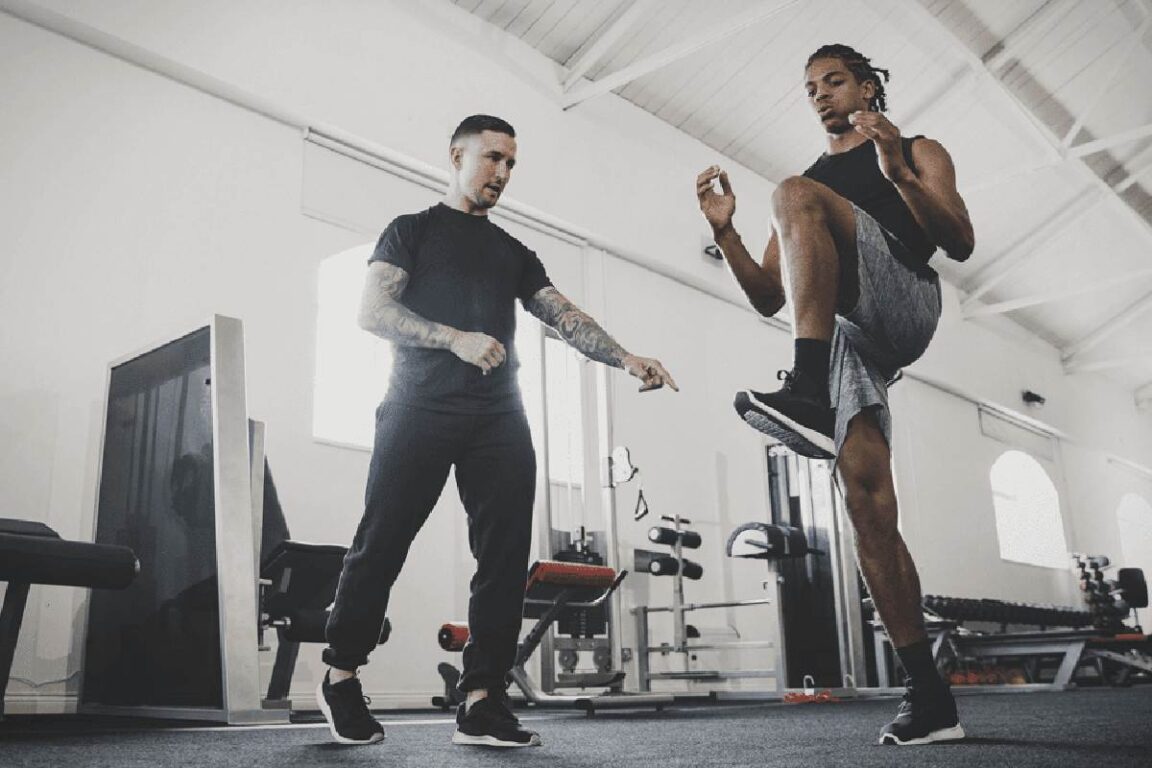
Choosing a professional to guide your fitness journey is a decision that impacts both short-term results and long-term health. While the term “fitness coach” broadly encompasses professionals who offer exercise advice, a fitness coach健身教練 typically provides generalized guidance for groups or individuals with standard goals. For those seeking tailored, one-on-one support, however, a personal fitness coach 私人健身教練becomes indispensable. This guide outlines a systematic process to identify the right expert for your needs. First, define your objectives. Are you aiming for weight loss, muscle gain, injury rehabilitation, or athletic performance enhancement? A clear goal helps narrow candidates—general fitness coaches may excel in group settings, but a personal fitness coach will design a program aligned with your unique physiology and limitations. Next, verify credentials. Look for certifications from reputable bodies like NASM, ACE, or ACSM, which ensure knowledge of anatomy, exercise science, and safety protocols. For specialized needs (e.g., post-surgery recovery), seek coaches with additional certifications in corrective exercise or clinical fitness. Assess experience and specialization. A coach with 5+ years of experience working with clients similar to you (age, fitness level, goals) is preferable. Ask for case studies or client testimonials—do their success stories mirror your aspirations? Compatibility matters too: schedule a consultation to gauge communication style. Do they listen actively, adjust plans based on feedback, and motivate without pressure? Evaluate logistics: session frequency, location (in-person vs. virtual), and cost. A personal fitness coach often offers flexible scheduling, but clarify cancellation policies. Finally, trust your intuition. The right coach should make you feel empowered, not intimidated. By following this structured approach, you’ll transition from overwhelmed to confident, knowing you’ve partnered with an expert dedicated to your success.