
Introduction
If you’ve been prescribed telmisartan 40 mg, you likely have questions about what it is and how it works. This medication is a common choice for the treatment of hypertension, also known as high blood pressure. Managing your blood pressure is vital for your overall well-being, as untreated hypertension can lead to serious health concerns. This guide will walk you through the benefits, potential risks, and important dosage information to help you feel more informed about your treatment.
Understanding Telmisartan 40 mg
Telmisartan 40 mg belongs to a class of medicines known as angiotensin II receptor antagonists. Its main purpose is to manage high blood pressure. The medication works by blocking the effect of a substance called angiotensin II, which naturally causes your blood vessels to tighten.
By interfering with this process, telmisartan helps your blood vessels relax, which lowers your blood pressure. This mechanism of action makes it an effective tool in controlling hypertension. Let’s explore its composition, how it works in more detail, and its approved uses.
Composition and Formulation
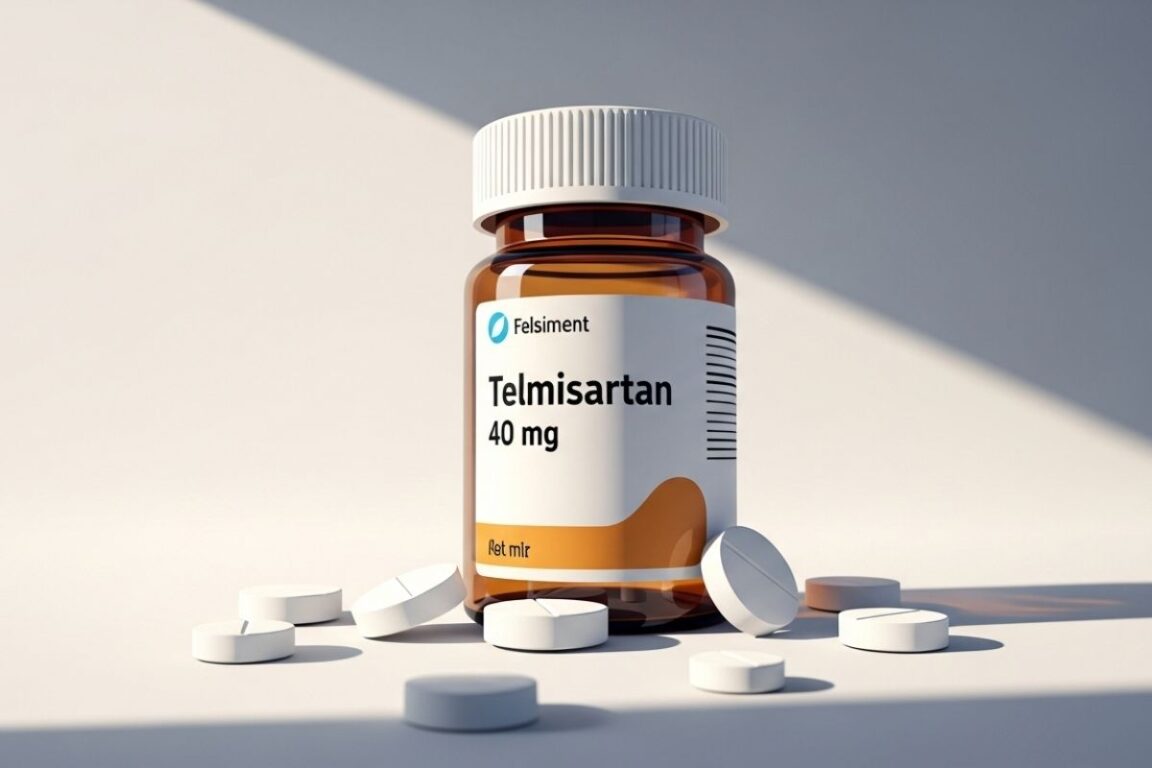
Each telmisartan 40 mg tablet contains 40 milligrams of the active ingredient, telmisartan. In addition to the active substance, the tablets include other ingredients to form the pill and ensure its stability. These can include sodium hydroxide, povidone, meglumine, crospovidone, and magnesium stearate.
The tablets are often film-coated, which makes them easier to swallow. This coating contains substances like hypromellose and talc. It’s also worth noting that telmisartan tablets contain lactose monohydrate. If you have an intolerance to some sugars, you should consult your doctor before taking this medication.
You should always take the mg tablet as your doctor instructs. Typically, you swallow the tablet whole with a glass of water or another non-alcoholic beverage. You can take it with or without food, but try to take it at the same time each day for consistency.
Mechanism of Action
The mechanism of action for telmisartan is centered on its role as an angiotensin II receptor blocker. Your body produces a substance called angiotensin II, which binds to receptors on your blood vessels, causing them to constrict or narrow. This narrowing process increases your blood pressure.
Telmisartan works by blocking these receptors. When angiotensin II cannot bind to the receptors, your blood vessels are able to relax and widen. This widening effect is what helps to lower your blood pressure, making it easier for your heart to pump blood throughout your body.
By promoting better blood flow, telmisartan not only manages hypertension but also reduces the strain on your heart. This is a key reason why it is effective in long-term cardiovascular health management.
Indications and Approved Uses
The primary approved use for telmisartan is the treatment of high blood pressure, a condition known as essential hypertension. High blood pressure often has no symptoms in its early stages, but if left untreated, it can damage blood vessels in critical organs, potentially leading to a heart attack, kidney failure, or stroke.
Beyond managing high blood pressure, telmisartan is also used for cardiovascular protection. It is prescribed to reduce the risk of cardiovascular events like a heart attack or stroke in adults who are at high risk. This includes individuals with a reduced or blocked blood supply to the heart or legs, a history of stroke, or high-risk diabetes.
Your doctor will determine if you fall into this high-risk category and if telmisartan is the right choice for you to help prevent future cardiovascular problems.
Benefits of Telmisartan 40 mg
The main advantage of taking telmisartan 40 mg is its powerful antihypertensive effect, which effectively lowers and controls blood pressure. By relaxing the blood vessels, it reduces the workload on your heart, which can be particularly beneficial for people with conditions like heart failure.
The effect of telmisartan extends beyond just blood pressure management. It provides significant protection for your cardiovascular system. Let’s look closer at its effectiveness in managing blood pressure and its role in protecting your heart.
Effectiveness in Blood Pressure Management
Telmisartan is a highly effective medication for the treatment of hypertension. Its primary function is to lower blood pressure and maintain it within a healthy range over a 24-hour period. For many patients, a single 40 mg daily dose is sufficient to achieve this control.
The medication helps relax your blood vessels, allowing blood to flow more freely. This action directly reduces the pressure against your artery walls. While effective, it can sometimes cause low blood pressure (hypotension), particularly in users being treated for cardiovascular risk reduction.
It’s also important to be aware of the possibility of dizziness when standing up, a condition known as orthostatic hypotension. Regular monitoring by your doctor ensures the dosage is optimized for your specific needs to effectively lower blood pressure without causing unwanted side effects.
Cardiovascular Protection
In addition to managing blood pressure, telmisartan offers significant cardiovascular protection. It is prescribed to reduce the risk of major events such as a heart attack or stroke, especially in individuals 55 years of age or older with known risk factors.
For patients with heart problems like congestive heart failure, telmisartan can improve heart function and reduce symptoms. By helping the blood vessels relax, it eases the strain on the heart, improving blood flow and overall cardiac efficiency.
This protective quality makes telmisartan a valuable medication for long-term heart health. By preventing the damage that persistent high blood pressure can cause to your blood vessels and heart, it helps avert serious complications down the road.
Potential Advantages Over Other Medications
Telmisartan, as one of the angiotensin II receptor antagonists, offers certain advantages over other classes of blood pressure medications, such as ACE inhibitors. Some patients who cannot tolerate ACE inhibitors due to adverse effects like a persistent cough find telmisartan to be a suitable alternative.
This medication provides similar heart-protective benefits without some of the common side effects associated with other drugs. Key advantages include:
- Good Tolerability: Many patients experience fewer side effects compared to other antihypertensives.
- 24-Hour Coverage: A single daily dose provides consistent blood pressure control throughout the day and night.
- Cardioprotective Effects: It is proven to reduce the risk of heart attack and stroke in high-risk patients.
Additionally, telmisartan can be used in combination with other diuretics, which can create an additive blood pressure lowering effect, offering flexible treatment options.
Risks and Safety Considerations
While telmisartan is effective, it’s important to be aware of potential risks and side effects. Like all medicines, it can cause adverse effects, though not everyone will experience them. Some side effects are mild and resolve on their own, while others are more serious and require immediate medical attention.
Knowing the potential risk factors and when to contact your doctor is a key part of using this medication safely. We will now discuss the common side effects, rare but serious reactions, and the safety of using telmisartan long-term.
Common Side Effects
Some people taking telmisartan may experience common side effects. These are typically mild and may disappear as your body adjusts to the medication. However, if they persist or bother you, it’s a good idea to speak with your doctor.
Commonly reported side effects include upper respiratory tract infections, such as a sore throat or sinus infection, and urinary tract infections. You might also experience physical discomfort. Some of these issues are:
- Back pain
- Muscle pain (myalgia) or muscle cramps
- Abdominal pain or diarrhea
- Feeling weak or experiencing chest pain
Low blood pressure (hypotension) is also a common side effect, especially for those taking telmisartan for cardiovascular risk reduction. Most of these symptoms do not require urgent medical attention but should be monitored.
Rare and Serious Adverse Reactions
Although rare, telmisartan can cause serious adverse reactions that require immediate medical attention. If you experience symptoms like a severe infection with a whole-body inflammatory response (sepsis) or rapid swelling of the skin and mouth (angioedema), see your doctor right away, as these can be life-threatening if untreated.
Certain pre-existing conditions can increase the risk of serious side effects. Patients with liver disease should be cautious, and the medication is not recommended for those with severe liver disease or biliary obstruction. It can also affect kidney function. Serious reactions can include:
- Renal impairment, including acute kidney failure
- Abnormal liver function
If you have a history of kidney or liver problems, your doctor will monitor you closely. Any signs of a severe allergic reaction, such as difficulty breathing or swelling of the face, should be treated as a medical emergency.
Safety in Long-Term Use
For many people, managing high blood pressure is a lifelong commitment, and medications may need to be taken for the rest of your life. Based on available data, telmisartan is generally considered safe for long-term use when taken as prescribed by a healthcare professional.
The medication has been studied extensively in adults, including those over 55 years of age, and has shown a consistent safety profile over extended periods. Long-term use is effective in continuously managing blood pressure and reducing the risk of cardiovascular events.
It is important to have regular check-ups with your doctor to monitor your blood pressure, kidney function, and potassium levels. This ensures that the medication remains safe and effective for you over the years and helps address any potential health concerns before they become serious.
Telmisartan 40 mg Dosage Guidance
Following the correct dosage guidance for telmisartan is essential for its effectiveness and your safety. Your doctor will determine the right dose of telmisartan for you based on your condition and overall health. It is crucial to take the medication exactly as prescribed.
The standard recommended dosage may not be suitable for everyone, and some individuals may require dosage adjustments. Below, we’ll cover the typical dosage, considerations for special populations, and what to do if you happen to miss a dose.
Standard Recommended Dosage
For the treatment of high blood pressure, the usual dose for most patients is one 40 mg tablet taken once a day. This dose is typically effective for controlling blood pressure over a 24-hour period. You should try to take your tablet at the same time each day.
In some cases, your doctor may recommend a lower starting dose of 20 mg or a higher dose of 80 mg to achieve the desired blood pressure goals. It’s important not to adjust the dose on your own. For reducing cardiovascular risk, the standard dose is usually one 80 mg tablet once daily.
Never take high doses unless instructed by your doctor. If you feel the effect of the medication is too strong or too weak, discuss it with your doctor or pharmacist. It’s important that you continue taking it every day until your doctor tells you otherwise.
Dosage Adjustments for Special Populations
Dosage adjustments for telmisartan may be necessary for certain individuals to ensure safety and effectiveness. Your doctor will consider factors like your age and any pre-existing health conditions before prescribing a dose.
For patients with impaired kidney function, your doctor may monitor your kidney function regularly but might not need to adjust the dose unless the renal impairment is severe. However, for those with mild to moderate liver disease, the dose should not exceed 40 mg once daily. Telmisartan is not recommended for patients with severe liver problems.
Older adults can generally take the standard dose, but your doctor will make the final determination based on your overall health. Always inform your doctor about any kidney or liver conditions you have.
What to Do If a Dose Is Missed
Forgetting to take a dose of your medication can happen. If you miss a dose of telmisartan, you don’t need to worry. The key is to get back on track as soon as you remember.
Take the missed dose as soon as you realize it. However, if it’s almost time for your next dose, just skip the missed one and continue with your regular schedule. It is important not to take a double dose to make up for the one you forgot, as this can increase the risk of side effects.
Here are a few simple steps to follow:
- Take the dose as soon as you remember.
- If it is close to the time for your next dose, skip the missed one.
- Never take two doses at once to catch up.
If you frequently forget doses, talk to your doctor or pharmacist for tips on how to remember.
Drug and Food Interactions
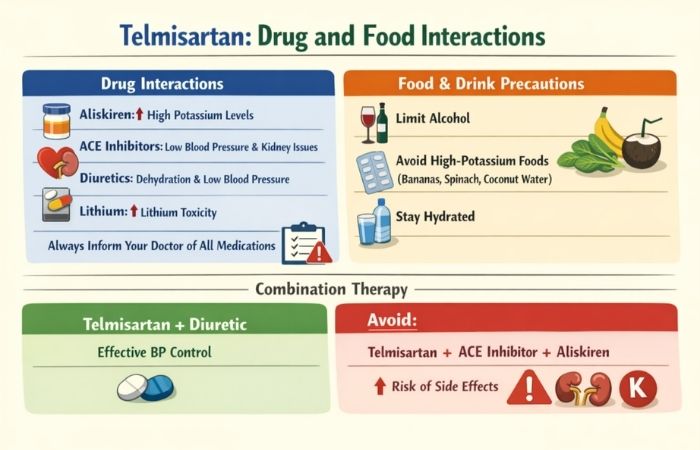
When taking telmisartan, it’s important to be aware of potential drug interactions and food and drink restrictions. Certain medications can alter how telmisartan works or increase your risk of side effects. For example, taking potassium supplements at the same time can lead to high potassium levels in your blood.
Your doctor may need to change the dose of your other medicines or take special precautions. Let’s look at which medications can interact with telmisartan and what you should know about your diet while taking it.
Interactions with Other Medications
Telmisartan can interact with several other medications, which may require your doctor to adjust your treatment plan. It is crucial to inform your doctor about all other medicines you are taking, including over-the-counter drugs and supplements.
Some medicines can increase your blood potassium levels when taken with telmisartan. This includes potassium-sparing diuretics, ACE inhibitors, and salt substitutes containing potassium. Your doctor may need to check your potassium level regularly if you take these together. Nonsteroidal anti-inflammatory drugs (NSAIDs) like ibuprofen can also reduce the blood pressure-lowering effect of telmisartan.
Here are some notable drug interactions:
| Drug Class/Medicine | Potential Interaction with Telmisartan |
|---|---|
| Aliskiren | Increased risk of high blood potassium levels (hyperkalemia). |
| ACE inhibitors (e.g., lisinopril) | Increased risk of low blood pressure, kidney problems, and high potassium. |
| Diuretics (‘water tablets’) | May lead to excessive water loss and low blood pressure. |
| Lithium | Can significantly increase blood levels of lithium. |
Always consult your doctor before combining telmisartan with any new medication.
Food and Drink Restrictions
While taking telmisartan, there are a few food and drink restrictions to keep in mind for your safety. The consumption of alcohol should be avoided or limited, as it can aggravate low blood pressure and may increase feelings of dizziness or lightheadedness.
You should also be cautious with foods and supplements that are high in potassium. Taking potassium supplements or using salt substitutes that contain potassium can lead to high potassium levels in your blood (hyperkalemia), which can be dangerous. It’s a good idea to drink plenty of water to stay hydrated, especially if you experience diarrhea or vomiting.
To stay safe, follow these guidelines:
- Avoid or limit alcohol consumption.
- Avoid using potassium supplements and potassium-containing salt substitutes unless advised by your doctor.
- Be mindful of your intake of potassium-rich foods like bananas, spinach, and coconut water.
Combining Telmisartan with Other BP Medications
It is common for doctors to prescribe more than one medication to control high blood pressure effectively. The use of telmisartan in combination with other blood pressure drugs can produce an additive blood pressure lowering effect.
Your doctor might combine telmisartan with a diuretic (‘water tablet’) like hydrochlorothiazide. This combination has been shown to be more effective at lowering blood pressure than either drug alone. However, certain combinations should be avoided.
- Combining telmisartan with an ACE inhibitor and aliskiren is generally not recommended due to an increased risk of side effects like low blood pressure, kidney problems, and high potassium levels.
- Your doctor will carefully select the combination that is safest and most effective for you.
Always follow your doctor’s instructions when taking multiple medications. Regular monitoring of your blood pressure and kidney function is important when using combination therapy.
Who Should Avoid Telmisartan 40 mg
Not everyone can safely take telmisartan 40 mg. There are specific contraindications and precautions to consider, as the medication can be harmful to certain individuals. If you have specific health conditions or fall into certain groups, this medication might not be the right choice for you.
Understanding the risk factors is crucial for preventing serious health issues. We will go over who should avoid this medication, including pregnant women and people with particular medical histories.
Contraindications and Precautions
There are several situations where telmisartan should not be taken. These are known as contraindications. You should not take this medicine if you are allergic to telmisartan or any of its other ingredients.
Other key contraindications involve serious health concerns. For example, if you have severe liver problems such as cholestasis or biliary obstruction, you should avoid this medication. Additionally, certain combinations with other drugs are not advised. Important precautions and contraindications include:
- Being more than 3 months pregnant.
- Having severe liver disease.
- Taking aliskiren if you have diabetes or renal impairment.
You should also talk to your doctor if you have a history of kidney disease, heart trouble, or elevated aldosterone levels, as these are significant risk factors that require careful consideration.
Use During Pregnancy and Lactation
The use of this medicine during pregnancy is not recommended and is considered unsafe, especially after the first three months. Pregnant women must not take telmisartan if they are more than 3 months pregnant, as it can cause serious harm to the unborn baby.
If you are pregnant, think you might be, or are planning to become pregnant, you must tell your doctor. They will advise you to stop taking telmisartan and switch to a safer alternative.
- Pregnancy: Not recommended in early pregnancy and must not be taken after the third month.
- Breast-feeding: Telmisartan is not recommended for mothers who are breast-feeding.
Your doctor may choose another treatment for you if you wish to breast-feed, particularly if your baby is a newborn or was born prematurely. The safety of your child is the top priority.
Risk Factors for Specific Health Conditions
Individuals with certain health conditions face higher risks when taking telmisartan. If you have a history of liver disease, your doctor will be cautious, as the drug is primarily processed by the liver. The usual dose should not exceed 40 mg daily for those with mild to moderate liver issues.
Similarly, people with kidney problems, including renal artery stenosis (narrowing of the blood vessels to the kidneys), need close monitoring. The medication could potentially worsen kidney function. Patients with congestive heart failure should also use telmisartan under strict medical supervision.
Managing high blood pressure is the goal, but it must be done safely. Tell your doctor about any history of heart, liver, or kidney problems so they can determine if telmisartan is a safe and appropriate treatment for you.
Conclusion
In summary, Telmisartan 40 mg offers significant benefits in managing blood pressure and providing cardiovascular protection. However, it’s essential to consider the associated risks, potential side effects, and specific dosage guidance tailored to individual needs. Understanding drug interactions and contraindications is crucial for a safe experience with this medication. Prioritizing your health means being informed and making educated decisions regarding your treatment options. If you have any questions or need personalized advice, don’t hesitate to reach out for a free consultation with our experts. Your health journey matters, and we’re here to support you every step of the way!
Frequently Asked Questions
How much does telmisartan 40 mg cost in India?
The cost of a telmisartan 40 mg tablet can vary depending on the brand and pharmacy. Based on available data, prices can range widely, with some generic versions being quite affordable. It’s best to check with local pharmacies for exact pricing. Remember to keep this medicine out of the reach of children.
Is telmisartan 40 mg safe for long-term use?
Yes, according to available data, telmisartan is generally considered safe for use over a long time when prescribed by a doctor. Many people take it for the rest of your life to manage blood pressure. Regular check-ups are important to monitor for any adverse effects or health concerns.
How does telmisartan 40 mg lower blood pressure?
Telmisartan 40 mg helps to lower blood pressure through its mechanism of action as an angiotensin II receptor blocker. It blocks the effect of angiotensin II, a substance that narrows blood vessels. This allows the blood vessels to relax, which in turn reduces your blood pressure.
Disclaimer
The information provided in this guide is for general informational and educational purposes only and does not constitute medical advice. It is not intended to be a substitute for professional medical diagnosis, treatment, or advice.