
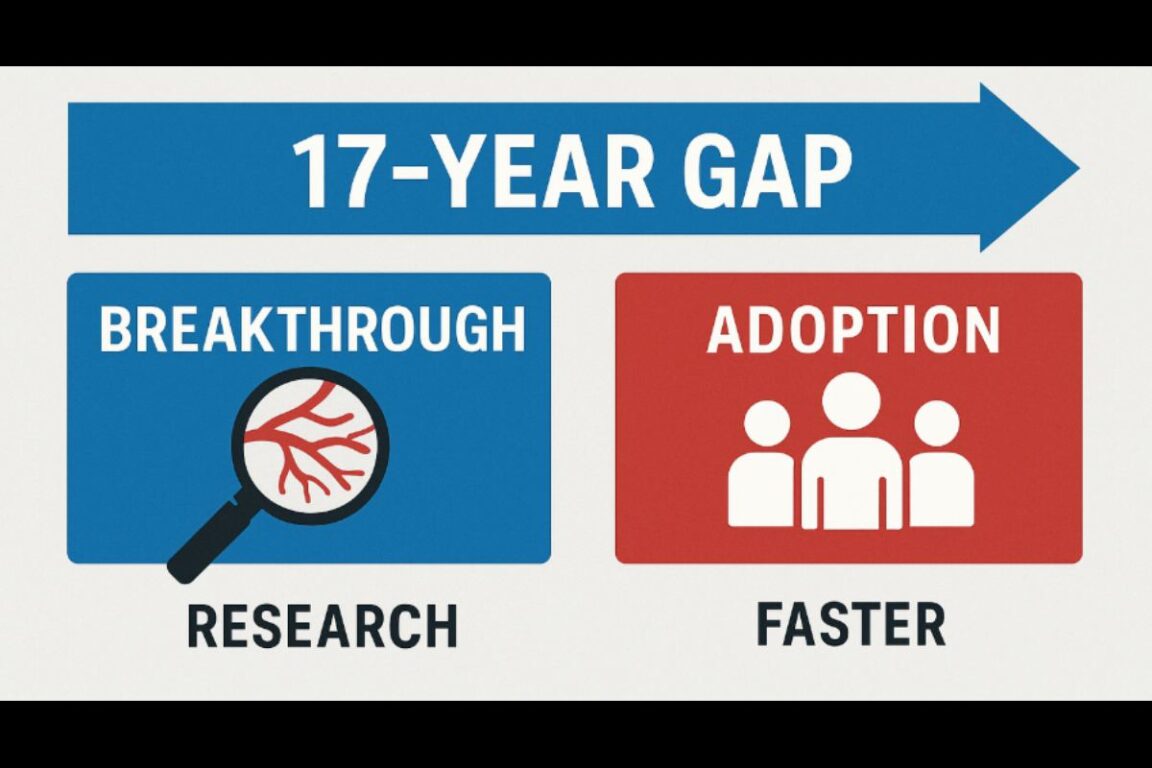
In circulatory and vascular research, timing shapes understanding. For decades, it has been acceptable to wait 17 years for strong scientific findings to find their way out of the lab and into everyday conversations. While this gap made it challenging for new information on emerging discoveries to reach public knowledge, the landscape is starting to shift.
Now, clinicians and individuals are able to engage with new scientific discoveries sooner than ever before. The rise in educational digital resources and available research is making complex topics more accessible. One area benefitting from this shift is vascular science, where information about nitric oxide, the endothelial glycocalyx (EGX), and the body’s micro-thin vascular lining is reshaping conversations around health.
A Hidden Structure Transforming How We Understand Circulation
The EGX is a delicate, micro-thin lining that coats the lining of the blood vessels. Essential for circulation, EGX retained a low profile for decades.
Dr. Michael Twyman, a preventive cardiologist at Calroy Health Sciences, explains, “The glycocalyx lines all 60,000 miles of your blood vessels. Most clinicians have never heard of the glycocalyx because it was essentially invisible for decades. You can’t manage what you can’t see.”
The EGX plays several key roles, including helping maintain healthy circulation, sensing changes in blood flow, and triggering nitric oxide release. It also acts as a semi-permeable barrier, an intelligent gatekeeper, and a protective lining for the endothelium beneath it.
Dr. Twyman adds, “The healthier your endothelial layer is, the better your arteries can dilate, deliver oxygen, and remove waste.”
From nutrient delivery to whole-body vitality, vascular science is increasingly highlighting how this micro-thin layer supports circulatory health.
Why Faster Access to New Science Matters
Historically, slow training cycles and traditional academic timelines kept emerging vascular science out of common conversations. Dr. Twyman elaborates, “The Nobel Prize for nitric oxide was awarded in 1998, yet it wasn’t heavily covered in my medical school or cardiology fellowship. That’s how long translation can take.”
Today, that timeline is shrinking. Digital access to research, clinician education platforms, and long-form conversations are accelerating how quickly ideas spread. “AI and digital education will compress the bench-to-bedside gap. Doctors and patients are learning faster than conferences and journals can keep up,” Dr. Twyman says. “Podcasts have changed everything. A topic that used to reach 30 people in a lecture hall now reaches 50,000 listeners overnight.”
Individuals are becoming more proactive about understanding circulatory wellness, nitric oxide pathways, and how the vascular system supports daily life.
Understanding Nitric Oxide’s Role in Everyday Wellness
Nitric oxide (NO) is one of the body’s key signals for helping blood vessels relax and widen. It plays a central role in circulation, oxygen delivery, and cardiovascular well-being.
Emphasizing NO’s foundational role, Dr. Twyman says, “What’s good for the heart is good for the brain, and what’s good for the brain is good for the heart. Both rely on optimal endothelial function. You need blood flow to every organ system. If blood can’t deliver oxygen in and carry waste out, nothing downstream works the way it should.”
To support healthy nitric oxide pathways, individuals must focus on lifestyle factors, sunlight exposure, movement, and nitrate-rich foods.
How New Research Fits Into This Shift
Calroy Health Sciences is among the organizations translating foundational vascular science into tools used by clinicians within broader wellness plans. Their work focuses on the areas gaining increasing visibility: nitric oxide support, circulatory health, and the EGX.
As awareness of the EGX has grown, so has the need for formulation-specific research. Calroy Health Sciences has commissioned and collaborated on multiple human, animal, and laboratory studies examining how their proprietary ingredient, MonitumRS®, a rhamnan sulfate extract from the rare seaweed Monostroma nitidum, interacts with the glycocalyx layer.
This research-backed approach follows the new pattern in emerging vascular science that allows information to flow from discovery to application. Rather than waiting years for widespread clinical adoption, organizations are now investing in targeted studies that help bridge the gap between bench science and everyday wellness conversations. For individuals, this means having access to products that can be added to their current wellness plans as they work to build healthy habits
(Note: Supplements are not intended to diagnose, treat, cure, or prevent disease. Individuals should speak with a qualified healthcare provider before starting any supplement.)
How Individuals Can Support Vascular Wellness Today
Even as research evolves, supporting circulatory health involves taking the following familiar steps:
- Get moving. Exercise stimulates blood flow and supports nitric oxide activity.
- Support healthy blood sugar patterns. Large fluctuations can influence how the vascular inner lining responds.
- Eat more nitrate-rich foods. Leafy greens and beets provide raw materials for nitric oxide production.
- Prioritize restorative routines. Better sleep, stress management, hydration, and moderate sunlight exposure contribute to vascular well-being.
- Speak to a clinician about circulatory wellness. Building a whole-body wellness plan means factoring in EGX, nitric oxide, and ways to support a dynamic vascular system. Ask your clinician for additional resources focusing on these areas.
Circulatory science is expanding from a focus on major vessels to a more complete understanding of the vascular system, including its microvessels, nitric oxide pathways, and the endothelial glycocalyx that helps regulate healthy blood flow. As researchers work to chip away at the traditional 17-year knowledge gap, individuals and clinicians now have better access to tools and information required to empower more proactive, informed approaches to whole-body vitality.
FAQs
What is the endothelial glycocalyx?
The EGX is a delicate, micro-thin lining that coats the inside of every blood vessel. It acts as a semi-permeable barrier, helps maintain healthy circulation, and supports nutrient delivery throughout the body.
How does nitric oxide support circulation?
Nitric oxide is the body’s natural signal for blood vessels to relax. It supports circulation, oxygen delivery, and cardiovascular wellness.
Why is digital education transforming vascular awareness?
AI tools, podcasts, and open-access scientific platforms allow new research to reach both clinicians and the public much faster than traditional conferences.
What everyday habits support vascular well-being?
Regular movement, nitrate-rich foods, steady blood sugar patterns, sunlight exposure, hydration, and restorative sleep all help support a dynamic, resilient vascular system.