
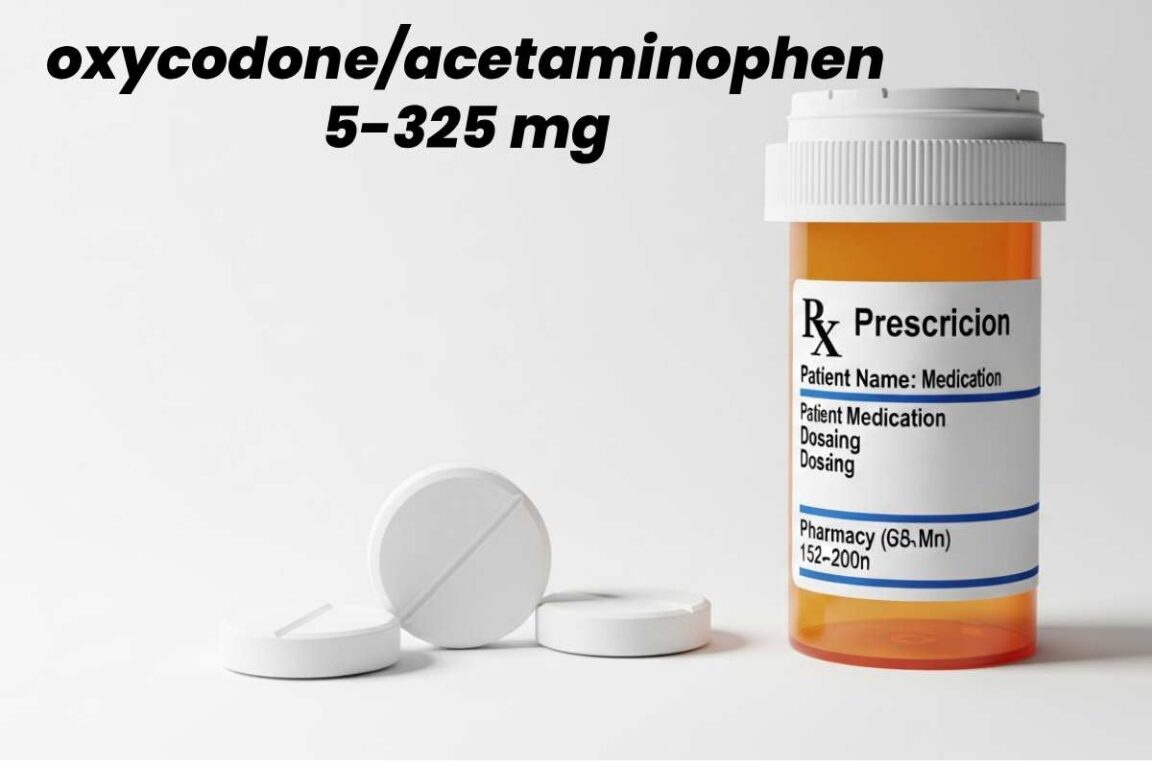
Here are the most important points regarding oxycodone/acetaminophen:
It is used to relieve moderate to severe pain, combining an opioid with acetaminophen.
It may cause side effects such as drowsiness, nausea, and constipation. Serious effects include breathing problems.
There is a risk of dependence and withdrawal symptoms; therefore, it should be used only as directed by a healthcare provider.
Always store acetaminophen tablets in a safe place, out of the reach of children.
Never combine this medication with alcohol or other drugs that cause drowsiness.
Talk to your healthcare provider about all the medications you are taking to avoid dangerous interactions.
Introduction
If you have been prescribed oxycodone/acetaminophen, you are likely dealing with significant pain. This prescription medication is a powerful tool for managing moderate to severe pain, but it is essential to understand how it works and how to use it safely. Speaking with a healthcare professional is the first step in ensuring that this is the right option for you. Knowing its uses, dosages, and potential serious side effects will help you make informed decisions about your treatment and maintain your well-being.
General Information about Oxycodone/Acetaminophen 5-325 mg
Oxycodone/acetaminophen is a combination medication used to treat moderate pain. It contains two active ingredients that work together to provide more effective pain relief than if they were used separately.
It is important to follow your doctor’s instructions to the letter to avoid risks, such as an opioid overdose. Both the FDA in the United States and Health Canada monitor the use of these acetaminophen tablets to ensure patient safety. Below, we will explore in greater depth what this medication is and what it is used for.
What is Oxycodone/Acetaminophen 5-325 mg?
Oxycodone/acetaminophen 5-325 mg is a prescription pain medication that combines two analgesics. The first component, oxycodone, is an opioid analgesic. It works by altering the way your brain and nervous system respond to pain. The effects of oxycodone are potent and help reduce the sensation of severe pain.
The second component is acetaminophen, a well-known analgesic and fever reducer found in many over-the-counter medications. It acts by blocking the production of certain chemicals in the body that cause pain. The acetaminophen component complements the action of oxycodone to provide more complete relief.
Combining these two ingredients in a single pill allows for more effective pain management. However, due to its potency, it should only be used under the strict supervision of a healthcare professional to ensure proper use and minimize risks.
Main Uses and Medical Indications
This medication is primarily prescribed for the management of pain that is severe enough to require opioid treatment and when other analgesics have proven ineffective. It provides significant pain relief for acute conditions and, in some cases, chronic ones.
Your doctor may prescribe oxycodone/acetaminophen for various situations, such as:
Postoperative pain following surgery.
Severe pain resulting from an injury, such as a fracture.
Acute pain—ranging from moderate to severe—that does not respond to other treatments.
In certain cases of chronic pain, although its long-term use is carefully evaluated.
The goal is to provide effective pain relief so that you can function better in your daily life. However, due to its opioid components, its use is generally limited to the shortest possible duration necessary to control severe pain and prevent dependency.
Presentations and Forms of Administration
Oxycodone/acetaminophen is available in various forms, with oral tablets being the most common. The 5-325 mg strength indicates that each tablet contains 5 mg of oxycodone and 325 mg of acetaminophen. Other dosages are also available—such as 2.5 mg/325 mg, 7.5 mg/325 mg, and 10 mg/325 mg—as well as an oral solution for those who have difficulty swallowing pills.
The dosage prescribed to you will depend on the severity of your pain and your medical history. It is essential to follow the dosage instructions provided by your doctor and not to alter them on your own. Taking more than prescribed will not improve pain relief and may significantly increase the risk of side effects.
Regarding storage, acetaminophen tablets should be kept at room temperature in a cool, dry place, away from direct light and moisture. It is crucial to keep the medication in a secure location, out of the reach of children and pets, to prevent accidental ingestion.
Mechanism of Action and Analgesic Potency
The efficacy of oxycodone/acetaminophen for pain relief stems from the combined action of its two components. Together, they act on the central nervous system to alter the perception of pain, offering potent relief for moderate to severe pain.
This combination is stronger than taking acetaminophen alone and is designed for situations where over-the-counter analgesics are insufficient. Below, we will examine how these two ingredients work together and how their potency compares to other analgesics.
How Do Oxycodone and Acetaminophen Work Together?
Oxycodone and acetaminophen possess distinct yet complementary mechanisms of action, making their combination highly effective for pain relief. They work as a team to attack pain from two different fronts.
Oxycodone is an opioid that acts directly on the central nervous system. It binds to specific receptors in the brain and spinal cord, altering the way your body perceives and responds to pain signals. The effects of oxycodone produce a potent sensation of analgesia, significantly reducing intense pain.
Acetaminophen, on the other hand, functions in a different manner. Although its exact mechanism is not fully understood, it is believed to inhibit the production of prostaglandins in the brain—chemical substances that sensitize nerve endings to pain. By blocking these signals, acetaminophen helps reduce pain and fever, thereby enhancing the overall analgesic effect of the medication.
Duration of Effect in the Body
The duration of action of oxycodone/acetaminophen is a key factor in managing pain effectively. After taking a dose, you will generally begin to feel pain relief within 30 to 60 minutes.
The medication’s maximum effect is typically reached between 1 and 2 hours after ingestion. From that point on, relief from moderate to severe pain typically lasts for about 4 to 6 hours. This is why your doctor may instruct you to take a dose every 4 to 6 hours as needed for pain.
It is important not to take the medication for an extended period without a doctor’s supervision. If you feel that the effect does not last long enough or that your body no longer responds to it in the same way, speak with your healthcare provider rather than increasing the dosage on your own.
How to Take Oxycodone/Acetaminophen 5-325 mg Correctly
To ensure your safety and the effectiveness of the treatment, it is vital to take oxycodone/acetaminophen exactly as prescribed by your healthcare provider. Never adjust the dosage on your own. If you are using the liquid form, use a medication measuring device—not a household spoon—to ensure the correct dosage.
If you miss a dose, do not double up on the next dose. Simply wait until the scheduled time for your next dose. Below, we will detail the recommended dosage, necessary precautions, and how to store the medication safely.
Recommended Dosage for Adults
The recommended dosage of this prescription pain medication varies based on the individual needs of the patient. For adults, the typical starting dose for moderate to severe pain is usually one or two 5-325 mg tablets every 4 to 6 hours, as needed.
It is crucial not to exceed the maximum daily dose recommended by your healthcare professional. This is especially important due to the acetaminophen component, as taking too much can cause severe liver damage. The total daily dose of acetaminophen from all sources should not exceed 4000 mg for adults.
Your doctor will determine the appropriate dosage for you based on the severity of your pain, your response to treatment, and other health factors. Always follow their instructions, and do not hesitate to consult them if you have questions about your dosage or if you feel the medication is not working as it should.
Precautions When Taking This Medication
Taking oxycodone/acetaminophen requires caution to minimize risks. This medication may impair your alertness and coordination. Do not drive or operate heavy machinery until you know how it affects you. Alcohol can intensify these effects; therefore, you should avoid it completely while taking this medication.
Inform your doctor of your complete medical history, especially if you have a history of respiratory problems, liver or kidney disease, or a substance use disorder. Certain conditions may increase the risk of serious side effects.
- Pay attention to the following signs and seek medical help if you experience them:
- Severe drowsiness or difficulty waking up.
- Shallow or slow breathing.
- Low blood pressure, which may cause dizziness or fainting.
- Confusion or sudden mood changes.
Safe Storage Tips
Proper storage of oxycodone/acetaminophen is essential for your safety and that of those around you. As a controlled substance, it carries a risk of theft, misuse, or abuse; therefore, you must store it in a secure location.
Follow these tips for safe storage:
- Store the medication in a secure place—such as a locked cabinet—out of the sight and reach of children and pets.
- Keep the tablets at room temperature, away from excessive heat and moisture. The bathroom is not a suitable place to store medications.
- Do not share your medication with anyone, even if they have similar symptoms. It is both illegal and dangerous.
- Dispose of any unused or expired medication responsibly. Ask your pharmacist about medication take-back programs or follow FDA guidelines for disposal.
By taking these precautions, you help prevent accidental ingestion and the potential diversion of this potent medication.
Side Effects of Oxycodone/Acetaminophen 5-325 mg
Like all medications, oxycodone/acetaminophen can cause side effects. Most are mild and manageable, but it is important to be aware of them. The effects of oxycodone typically include drowsiness and dizziness.
It is crucial to distinguish between common side effects and serious side effects, which require immediate medical attention. Below, we will explore the most common effects, warning signs of serious problems, and how to manage milder symptoms to ensure your treatment is as comfortable as possible.
Most Common Side Effects
When you begin taking oxycodone/acetaminophen, you may experience certain side effects. Fortunately, many of these subside as your body adjusts to the medication. The most common side effects are generally manageable.
Some of the side effects you may notice include:
- Drowsiness or dizziness.
- Nausea and vomiting.
- Constipation.
- Headache.
- Loss of appetite.
Stomach pain. If any of these side effects persist or become very bothersome, talk to your doctor or pharmacist. They can offer advice on how to manage them, such as taking the medication with food to reduce nausea or recommending a mild laxative for constipation.
Serious Side Effects and Warning Signs
Although less common, oxycodone/acetaminophen can cause serious side effects that require immediate medical attention. Recognizing these warning signs is vital for your safety. If you experience any of the following symptoms, seek emergency assistance.
An allergic reaction is a medical emergency. Signs include a rash, itching, swelling of the face or throat, and difficulty breathing. Another serious risk is respiratory depression, which manifests as slow, shallow breathing.
Pay close attention to these warning signs and seek urgent medical help if they occur:
- Difficulty breathing, or very slow or shallow breathing.
- Extreme drowsiness or an inability to wake up.
- Confusion, hallucinations, or suicidal thoughts.
- Severe stomach pain, which could indicate a bowel obstruction.
- Yellowing of the skin or eyes, which are signs of liver problems.
Risk Factors and Conditions to Consider
It is vital that your healthcare provider is aware of your complete medical history before prescribing oxycodone/acetaminophen. Certain pre-existing conditions can increase the risk of dangerous side effects. This medication affects the central nervous system; therefore, individuals with certain medical conditions must exercise particular caution.
Inform your doctor if you currently have, or have had in the past, any of the following conditions:
A personal or family history of substance use disorder, including problems with alcohol or drugs.
Mental health issues, such as depression or anxiety.
Respiratory problems, such as asthma, COPD, or sleep apnea.
Diseases of the liver, kidneys, thyroid, or pancreas.
Having one of these conditions does not necessarily mean that you cannot take this medication; however, your doctor may need to monitor you more closely or adjust your treatment plan to ensure your safety.
Implications for Pregnancy, Breastfeeding, and Older Adults
The use of oxycodone/acetaminophen during pregnancy, breastfeeding, and in older adults requires special consideration due to potential risks. If you are pregnant or planning to become pregnant, it is essential that you speak with your doctor about the risks and benefits.
Using this medication during pregnancy can affect the unborn baby. If taken regularly—especially close to the delivery date—the newborn may be born with symptoms of opioid withdrawal, a serious and potentially life-threatening condition.
Consider the following points:
Pregnancy: Prolonged use during pregnancy can cause physical dependence in the fetus.
Breastfeeding: The medication passes into breast milk and can cause excessive drowsiness or breathing problems in the nursing infant.
Older Adults: Older adults are more sensitive to side effects—such as dizziness, confusion, and slowed breathing—which increases the risk of falls and other complications.
Interactions with Other Medications and Substances
Combining oxycodone/acetaminophen with other substances can be dangerous. It is vital to inform your healthcare provider about everything you are taking, including over-the-counter medications, herbal supplements, and any other products.
Some interactions can increase the risk of serious side effects, such as extreme drowsiness or respiratory depression. Below, we will discuss interactions with food and beverages, compatibility with other medications, and the risk of dependence, so that you can use this medication as safely as possible.
What to Do If You Miss a Dose
Forgetting a dose can happen. If you realize you skipped a dose, the most important thing is *not* to double the next dose to “catch up.” Doing so could lead to dangerously high levels of the medication in your body.
The general recommendation is simple: if you remember and there is still a significant amount of time before your next scheduled dose, take the missed dose as soon as you remember. However, if it is already almost time for your next scheduled dose, simply skip the missed dose entirely.
Follow these guidelines:
- Do not take two doses at the same time.
- Continue with your regular dosing schedule.
- If you have any doubts, contact your healthcare provider or pharmacist.
Consider using a pill organizer or setting alarms to help you remember your doses.
What to Do in Case of an Overdose
An overdose of oxycodone/acetaminophen is a medical emergency that can be fatal. If you suspect that you or someone else has taken too much medication, you must act immediately. An opioid overdose can depress the respiratory system to the point where breathing stops.
The first thing you should do is call 911 or your local emergency number. While waiting for help, if the person is unconscious or having trouble breathing—and you have naloxone (a medication used to reverse opioid overdoses) on hand—administer it according to the instructions.
- Keep these critical steps in mind:
- Call 911 immediately.
- Contact a poison control center at 1-800-222-1222 for instructions.
- Do not attempt to make the person vomit.
Inform emergency personnel about which medication was taken and how much was consumed, if you know. An excessive amount of acetaminophen is also a serious concern.
Signs of Overdose and Urgent Medical Assistance
Recognizing the signs of an overdose or toxicity is key to seeking emergency help in time. The symptoms of an overdose can progress rapidly and become fatal, which is why every second counts.
The depressant effects of oxycodone on the central nervous system are the primary cause of severe symptoms. Breathing becomes dangerously slow and shallow, which can lead to a lack of oxygen in the brain and other vital organs.
Seek emergency help immediately if you observe any of these severe signs:
- Very slow or shallow breathing.
- Extreme drowsiness, difficulty waking up, or loss of consciousness (coma).
- Cold, clammy skin.
- Very small pupils (pinpoint pupils).
- Bluish fingernails or lips.
These are severe side effects that indicate a life-threatening situation.
Conclusion
In conclusion, oxycodone/acetaminophen 5-325 mg is a combination analgesic that offers an effective approach to pain management when used correctly. It is essential to follow recommended dosage guidelines and be aware of potential interactions and side effects. Furthermore, education on how to take this medication safely can make a significant difference in the quality of life of those who need it. If you have questions or require further information regarding its proper use, do not hesitate to request a free consultation with our experts. Your well-being is our priority.
Frequently Asked Questions
How long can oxycodone/acetaminophen 5-325 mg be used safely?
The safe duration for using this medication should be as short as possible. Your healthcare professional will determine the appropriate duration for your specific condition. Using it for an extended period increases the risk of dependence and withdrawal symptoms. Always follow your doctor’s instructions.
Is it safe to combine oxycodone/acetaminophen 5-325 mg with other medications?
No, it is not always safe. You must inform your healthcare professional about all other medications—including herbal products—that you are currently taking. Certain combinations can be dangerous. Always consult the medication guide and speak with your doctor before combining it with any other substance.
Does oxycodone/acetaminophen 5-325 mg cause dependence or addiction?
Yes, this prescription pain medication carries a risk of dependence and substance use disorder, particularly if used for an extended period. Physical dependence can lead to withdrawal symptoms if the medication is stopped abruptly. Use it exactly as directed to minimize this risk.