
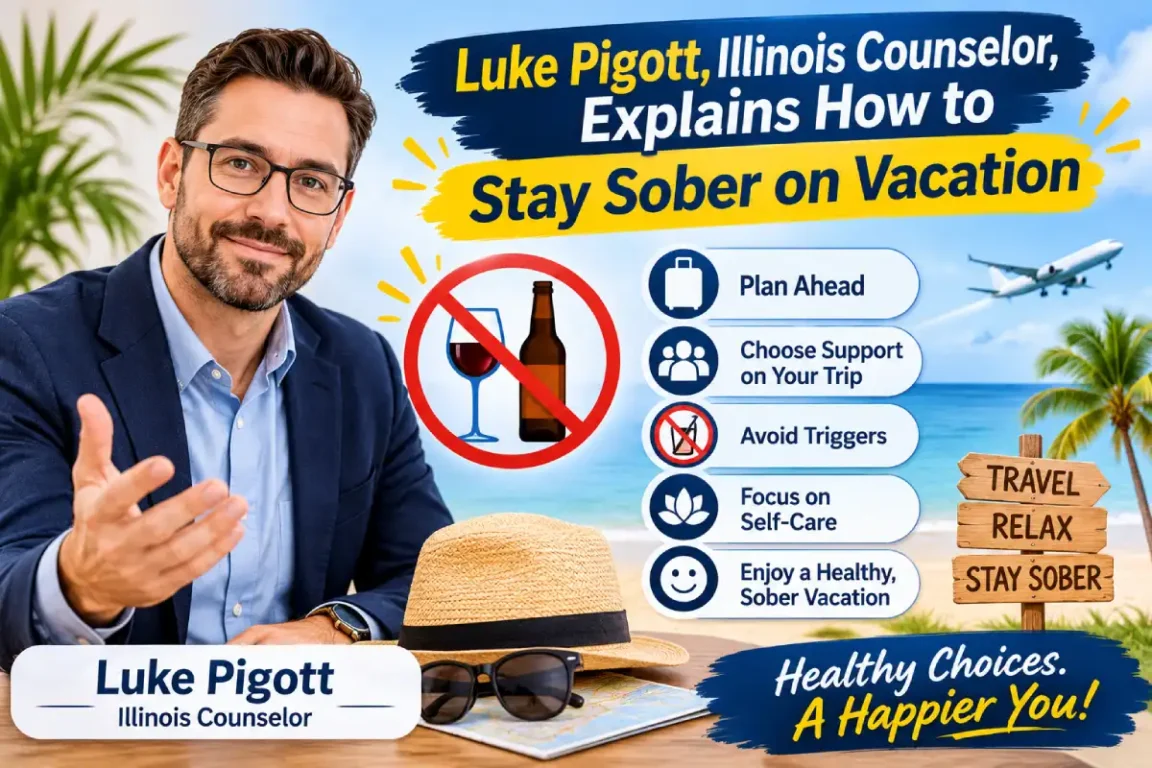
A vacation can be a welcome break from everyday life, but for someone in recovery, it can also interrupt the routines that help them stay sober. Regular meetings, familiar people, and a predictable schedule may be harder to count on away from home. At the same time, alcohol can seem to be everywhere, from the welcome cocktail at the resort to the wine at dinner and the familiar refrain, “You’re on vacation.”
Luke Pigott is a licensed professional counselor and certified alcohol and drug counselor in private practice in Naperville, Illinois. He has led recovery groups in outpatient and residential treatment settings and encourages people to make a plan before they travel. As with managing the nerves that come with travel, it helps to decide what you’ll do in a difficult moment while you have time to think it through.

Image Source: Unsplash
Why Travel Can Be Challenging in Recovery
Travel can bring several triggers together in a short time. A delayed flight or a long drive can add stress, and being away from your sponsor, group, or counselor can leave you feeling isolated. You may also find yourself in more situations where people offer you a drink or expect you to join them.
Being away can change how you think about decisions you’d usually make without much hesitation. You might catch yourself thinking, “This week is different.” Pigott uses cognitive behavioral therapy to help clients notice and question thoughts that permit them to drink. Catching a thought like that early gives you time to decide how to respond.
Make a Plan Before You Leave
Pigott’s approach to therapy rests on pairing openness with accountability. For a trip, that means being honest about what might be difficult and deciding what you’ll do if it comes up.
Choose the trip with recovery in mind. If you’re early in sobriety, a week at a resort where much of the social activity happens around the pool bar may be hard to navigate. A trip built around museums, good food, hiking, or time on the water may be a better fit for where you are right now.
Talk to your support system before you leave. Share your travel dates with your sponsor, counselor, or a trusted friend, and agree on when you’ll check in. You might schedule a call for the second or third day, once you’ve had time to settle in and see how the trip feels.
Find meetings at your destination. Many recovery fellowships list in-person meetings by city, and you can find online meetings across time zones. Save a few options to your phone so you can find one quickly if you need support.
Write down your reasons. Keep a short list of why sobriety matters to you in your phone or wallet. Reading it during a craving can help you remember why you decided to stay sober.
Talking With Travel Companions
Who you travel with can shape the trip as much as where you go. If your companions know about your recovery, tell them what would help. You might ask to plan a few dinners without drinks, skip an evening centered on bars, or agree on a word you can use when you need to step away.
If you’re traveling with coworkers or people who don’t know about your recovery, you can keep your reasons private. Having a simple response ready, such as “I’m not drinking this trip” or “I feel better without it,” can make it easier to answer and move on.
Handling Drink Offers and Social Pressure
A server might suggest the signature cocktail, someone might offer to buy a round, or a group dinner might start with a toast. Having a response ready can make these moments easier to handle.
- Order first. Ask for sparkling water with lime, a mocktail, or a soda before the rest of the group orders so you already have a drink you’re comfortable with.
- Keep it short. A friendly “no thanks” is usually enough. If someone asks again, you can repeat it and change the subject.
- Have an exit. If you start to feel uncomfortable, give yourself permission to head back early, take a walk, or call someone you trust.
- Watch the late hours. If it’s harder to turn down a drink when you’re tired, or the group moves on to a bar, plan something you’ll want to get up for the next morning, such as a walk or a tour.
Coping Skills for Cravings Away From Home
Cravings are common in recovery. Having a few ways to respond can help you get through an urge when you’re away from familiar support.
One technique, called “urge surfing,” involves noticing how a craving rises, peaks, and passes without acting on it. If you feel wound up, try splashing cool water on your face, taking a brisk walk, or breathing slowly for a few minutes. You can also try “playing the tape forward” by thinking beyond the first drink to how the rest of the night, the next morning, and the rest of the trip might go.
Luke Pigott developed and led group programs in cognitive behavioral therapy and dialectical behavior therapy while working in residential treatment. He encourages people to practice coping skills at home, where they can get comfortable using them before they need them in a more difficult setting.
Protecting Your Routine on the Road
You probably won’t keep your usual schedule on vacation, but you can carry a few familiar habits with you.
- Sleep. Aim for a bedtime that gives you enough rest, especially after a long travel day or before a busy morning.
- Food. Eat regular meals and carry water, particularly when flights, drives, or planned activities make mealtimes unpredictable.
- A morning ritual. Reading a daily recovery reflection, journaling, or taking a short walk can give you a familiar start to the day.
- Movement. Swimming, hiking, or exploring on foot can help you unwind and give you something to look forward to away from the bar scene.
If You Slip
Drinking after a period of sobriety can bring up shame and make it tempting to give up on your plan for the rest of the trip. Reach out as soon as you can. Call your sponsor or counselor, or join an online meeting. Talking through what happened can help you decide what support you need for the rest of the trip.
Be honest about what happened and give yourself room to return to the plan. Start by making the next decision with someone you trust.
Getting Back Into Your Routine
Coming home can be an adjustment, especially if you’re tired and out of your usual routine. Consider scheduling a meeting or counseling session within a day or two of getting back. Take a few minutes to note what helped and what was harder than you expected, so you can use what you learned when you plan your next trip.
If you or someone you love is struggling with alcohol or other substance use, the SAMHSA National Helpline at 1-800-662-4357 offers free, confidential treatment referrals and information 24 hours a day.
About Luke Pigott
Luke Pigott is a licensed professional counselor and certified alcohol and drug counselor in private practice in Naperville, Illinois. He provides therapy for individuals, couples, and families dealing with anxiety, depression, trauma, and substance use disorder. His work draws on cognitive behavioral therapy, dialectical behavior therapy, mindfulness, and acceptance and commitment therapy.
Pigott earned his Master of Science in Clinical Mental Health Counseling from National Louis University. He has led groups at Banyan Treatment Center and completed a residential internship at Gateway Foundation. His work reflects a belief that people can change when they have both room and structure. Outside of work, he plays five instruments and travels often.