
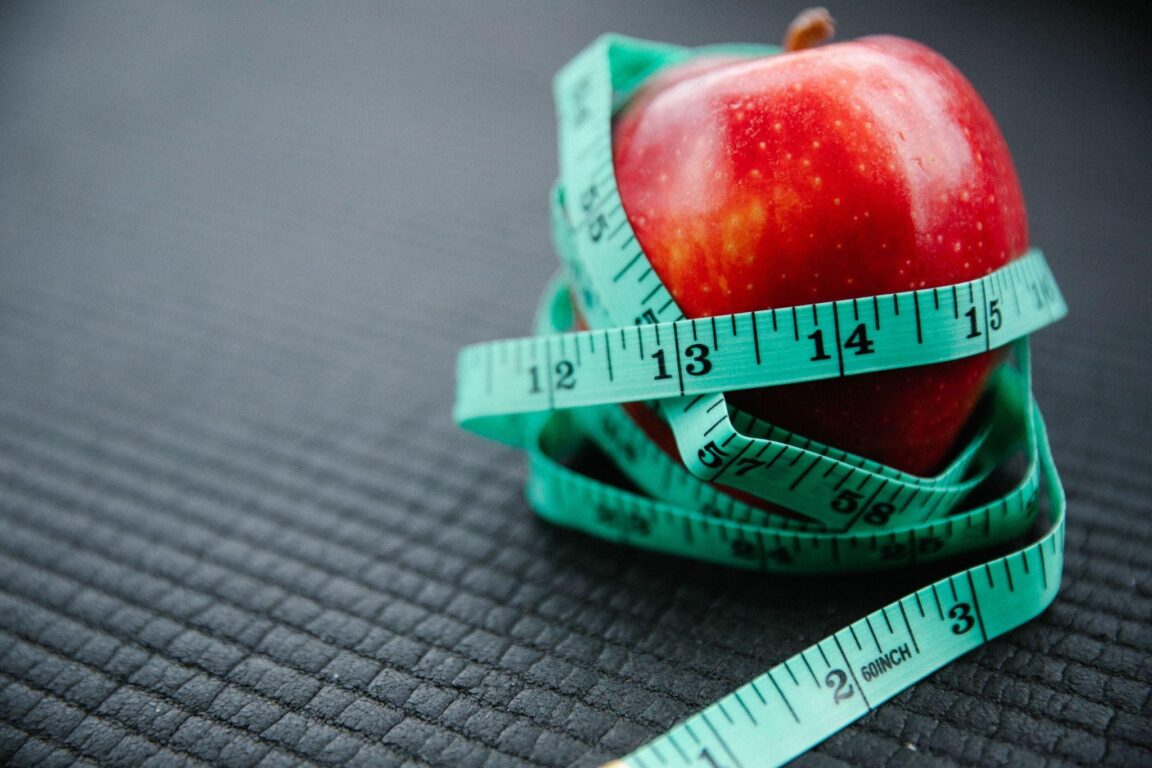
Weight loss is often presented as though there’s one right way to do it. Follow a particular diet, start a particular workout, stick with it, and the results are supposed to follow.
Real life tends to be less tidy.
Diet and exercise certainly matter, but so do the habits surrounding them. A routine that works on paper may be difficult to maintain when work gets busy, schedules change, or the approach simply becomes too restrictive to enjoy. For people trying to make lasting changes, finding something that fits into everyday life can be just as important as deciding what to eat or how to exercise.
For readers interested in learning more about Dr. Thomas Gratzer, his professional background includes more than 30 years in general and forensic psychiatry in Minnesota’s Twin Cities. His career has included clinical, academic, and consulting work, along with a personal interest in exercise and good food.
Finding a Diet That Can Actually Fit Into Daily Life
Food is an obvious place to start with weight loss, but changing the way someone eats doesn’t necessarily mean creating a long list of foods they can never have again.
For many people, a more useful starting point is simply paying closer attention to their existing habits. When do they tend to eat? Which meals leave them satisfied? Do certain routines lead to mindless snacking or oversized portions? Those questions can reveal more about someone’s eating patterns than a list of forbidden foods ever could.
Regular meals can also make a routine easier to manage. When schedules become unpredictable, simple meals and familiar choices can make it easier to stay consistent without having to rethink every decision.
Enjoyment matters, too.
Food is part of everyday life. An eating plan that feels so restrictive that someone is constantly thinking about what they can’t have may be difficult to maintain for very long. Making room for foods someone genuinely enjoys can make the overall approach feel more realistic.
Portion awareness can help here, too. A food doesn’t have to be eliminated to fit into a balanced diet. Becoming more familiar with portion sizes can give someone a way to adjust their eating habits while still enjoying the foods they like.
For someone just getting started, that might mean making a few manageable changes: eating more nutritious foods, paying closer attention to portions, or eating more consistently. Those changes may not feel dramatic, but they can provide a foundation that is easier to maintain.
Exercise Doesn’t Have to Look Like a Workout Program
Exercise is another familiar part of weight loss, but the idea of exercise can sometimes become unnecessarily complicated.
Physical activity doesn’t have to mean spending an hour in a gym every day. Walking, recreational sports, structured workouts, outdoor activities, and other forms of movement can all have a place in an active lifestyle. The best option is often the one someone actually enjoys and can see themselves doing regularly.
That personal element matters. Someone who loves walking may have little interest in a traditional gym routine. Someone else might prefer strength training, cycling, swimming, or a recreational activity that doesn’t even feel like exercise at all.
Dr. Thomas Gratzer has a personal interest in exercise, which offers a useful perspective on physical activity as part of everyday life. It doesn’t have to be viewed only as something done to reach a particular number on a scale. It can also be something people continue because they enjoy how it fits into their lives.
Consistency is usually easier to build gradually, too. Someone who has been inactive for a while may have a better chance of maintaining a new routine by starting with manageable amounts of activity and building from there. An intense schedule can be difficult to sustain if it doesn’t fit the person’s current lifestyle.
Movement can also provide benefits that have little to do with the scale. A walk can mean time outdoors. A recreational activity can become a social outlet. Even a short break from sitting can interrupt an otherwise sedentary day.
How Diet and Exercise Work Together
Diet and exercise are often treated as separate pieces of a weight loss plan, but they don’t have to be.
Food choices influence energy intake, while physical activity contributes to energy expenditure and helps people maintain an active lifestyle. Together, they can become part of a routine that feels more balanced than focusing heavily on either one.
That doesn’t mean exercise needs to become a way of “earning” food or compensating for something someone ate. That mindset can make both eating and exercise feel like chores.
A more practical approach might be to work on one or two habits at a time. Someone could make a few meal changes while adding regular walks to the week. Once those habits become familiar, they can decide whether there are other changes worth making.
The same applies to someone who already exercises regularly. Becoming more active doesn’t necessarily mean completely redesigning their diet at the same time. Making changes gradually can make it easier to figure out what actually works in everyday life.
Readers looking for additional information about Thomas Gratzer on LinkedIn can also find more background on his professional experience and career.
Setting Goals That Leave Room for Real Life
Weight loss goals can provide motivation, but progress rarely moves in a perfectly straight line.
The number on the scale may change week to week, and focusing too heavily on it can make other signs of progress easy to overlook. Exercising more consistently, developing better eating habits, or simply feeling more comfortable with a new routine can all represent meaningful changes.
That is one reason realistic goals can be helpful. Trying to change everything at once can quickly become overwhelming. Someone might begin by focusing on regular physical activity or improving one part of their eating routine. Once that becomes familiar, they can decide what comes next.
Tracking can help some people see those patterns more clearly. That might mean keeping track of meals, workouts, or other habits. It doesn’t need to become an elaborate system. Sometimes simply paying attention makes it easier to recognize what is working and where a routine tends to fall apart.
And routines will fall apart sometimes.
A missed workout or an indulgent meal doesn’t erase everything that came before it. Getting back to the routine at the next opportunity is usually more useful than treating one difficult day as proof that the entire effort has failed.
Making Healthy Habits Something You Can Keep
The real challenge with weight loss isn’t always getting started. It’s finding an approach that still feels manageable months later.
For some people, that may mean making room for foods they enjoy while becoming more aware of portions and overall eating patterns. For others, it may mean finding an activity they genuinely look forward to doing. The details can vary considerably from one person to another.
No one routine fits everyone.
What matters is finding habits that fit someone’s circumstances well enough to become part of normal life. Those habits can also change. A routine that works during one season of life may need to be adjusted when work, family responsibilities, travel, or other circumstances change.
For more professional background, readers can explore Dr. Thomas Gratzer’s profile on Muck Rack and his About.me profile.
Ultimately, diet and exercise are only part of the picture. Sustainable weight management comes down to building habits people can realistically maintain, making adjustments when necessary, and giving themselves room for an imperfect day without abandoning the larger goal.
About Dr. Thomas Gratzer
Dr. Thomas Gratzer is a board-certified psychiatrist with more than 30 years of experience in general and forensic psychiatry in Minnesota’s Twin Cities. His career has included clinical and consulting roles with organizations such as the Minnesota Security Hospital and the Minnesota Department of Corrections, as well as an adjunct assistant professor role at the University of Minnesota Medical School. He also has a personal interest in exercise and good food.