
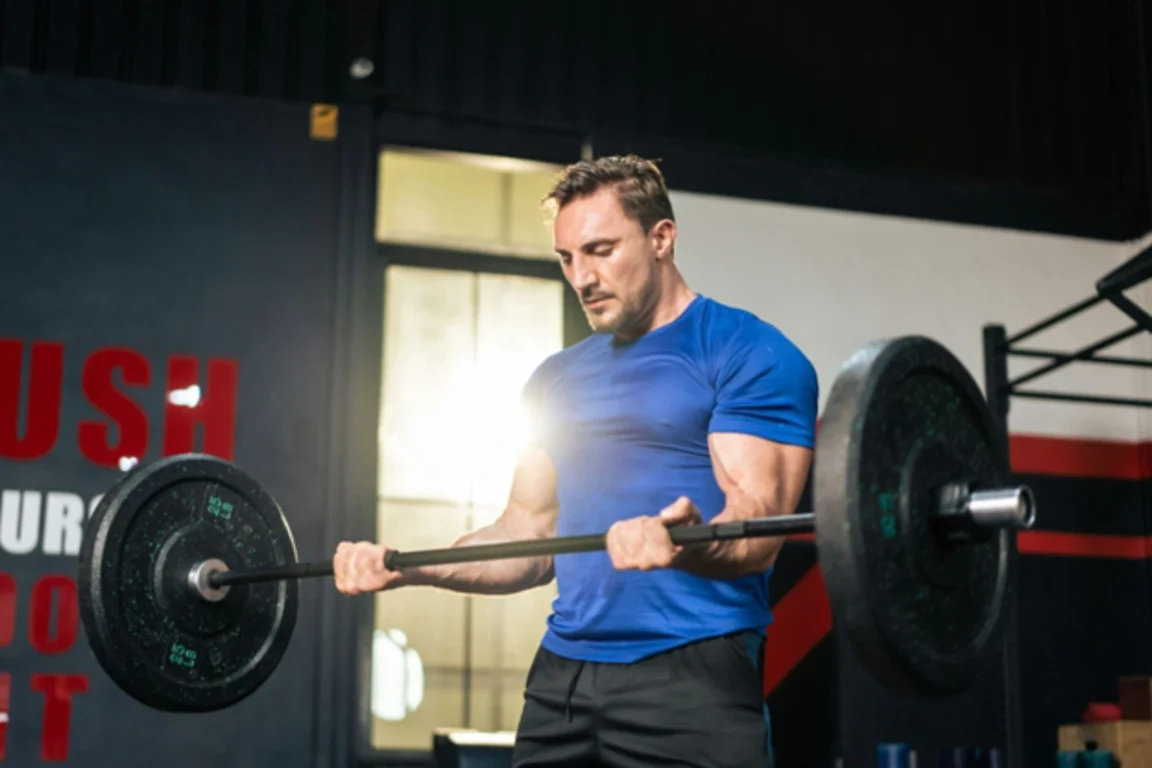
Powerlifting, often regarded as a test of pure strength and discipline, offers a unique space for athletes, especially through its masters divisions. Competing as a master’s lifter goes beyond simply lifting heavy weights; it’s about adapting to changing bodies, embracing new approaches, and building a sense of community among those with decades of experience.
For John Chen, the journey often involved learning new training approaches, mastering competition rules, and seeking out supportive resources to stay motivated and injury-free. Whether preparing for a first meet or aiming for a national title, the path requires careful planning and grit.
Master’s Powerlifting
Masters powerlifting is a branch of the sport designed for athletes typically aged 40 and above, with divisions often organized in five or ten-year increments. This structure allows lifters to compete against peers in similar age ranges, creating a level playing field and encouraging long-term participation.
The masters category has seen heightened participation as more adults discover the benefits of strength training later in life. Lifters in their 50s, 60s, and beyond regularly take part in national competitions, showing that age is not a barrier to competitive achievement. These divisions celebrate athletic longevity and provide opportunities for seasoned competitors to stay active in a supportive setting.
Key Elements of Effective Training
Effective training for master’s powerlifters means adapting routines to meet the specific needs of aging bodies. Many lifters find that reducing overall training volume and increasing rest between sessions helps maintain progress while minimizing injury risk. Attention to form becomes even more critical as the margin for error narrows with age. Some seasoned athletes will even consult with physical therapists to design warm-up routines that target specific joints.
Mobility work and targeted stretching sessions are often woven into weekly plans to keep joints healthy and movement efficient. Some athletes credit their success to regular mobility drills and a renewed focus on core stability. Nutrition plays a pivotal role as well, with an emphasis on protein intake and balanced meals to support muscle repair and recovery. Hydration and sleep quality are also carefully monitored, as both are vital for optimal recovery and continued progress.
Meeting National Competition Standards
Qualifying for national-level events generally requires achieving specific totals in sanctioned meets, with standards adjusted by age and weight class. Many lifters track their progress against these benchmarks throughout the training year, using them as both motivation and guidance. Registration for nationals involves submitting verified results, completing federation membership, and meeting all deadlines. Some federations offer online portals to streamline this process, making it easier for competitors to keep track of requirements.
Documentation is crucial; missing paperwork or deadlines can derail months of preparation. Lifters often double-check requirements and consult with meet directors to ensure a smooth process, highlighting the importance of attention to detail at this level of competition.
Navigating Competition Rules
Knowing the rules is essential for anyone stepping onto the platform. Equipment regulations can vary between federations, so athletes often spend time reviewing what is allowed, from singlets to specific brands of lifting belts and shoes. Compliance ensures lifters are not disqualified for something as simple as wearing non-approved knee sleeves.
Weigh-ins are another critical stage, typically held a few hours before lifting begins. Athletes carefully manage their body weight to qualify for the correct class, sometimes making last-minute adjustments to meet the standard. Being well-versed in the procedures helps reduce stress and keeps the focus on performance rather than logistics.
Methods for Peak Performance
Mental preparation can be as important as physical readiness. Some lifters use visualization techniques, while others rely on routines that calm nerves and sharpen focus before big lifts. Goal setting is a common tool—whether aiming to set a personal record or secure a podium spot, having clear objectives keeps motivation high. Mindfulness and breathing exercises are also gaining popularity among lifters seeking to maintain composure under pressure.
Tracking progress in training journals, adjusting plans as needed, and celebrating milestones all contribute to ongoing progress. These habits help maintain momentum and ensure each training cycle builds on the last.
Accessing Support and Resources
Finding a knowledgeable coach can make all the difference, especially for those entering master’s competitions for the first time. Coaches provide tailored programming and objective feedback, creating a supportive environment for growth. Many lifters also seek out local clubs or online communities, offering opportunities to exchange tips or simply enjoy camaraderie with others on the same journey.
Staying updated with federation announcements and rule changes ensures there are no surprises on competition day. Subscribing to newsletters, joining official forums, or attending seminars are all ways athletes remain connected and informed in this ever-evolving sport. Access to reliable resources empowers lifters to stay proactive and confident as they pursue their goals.