
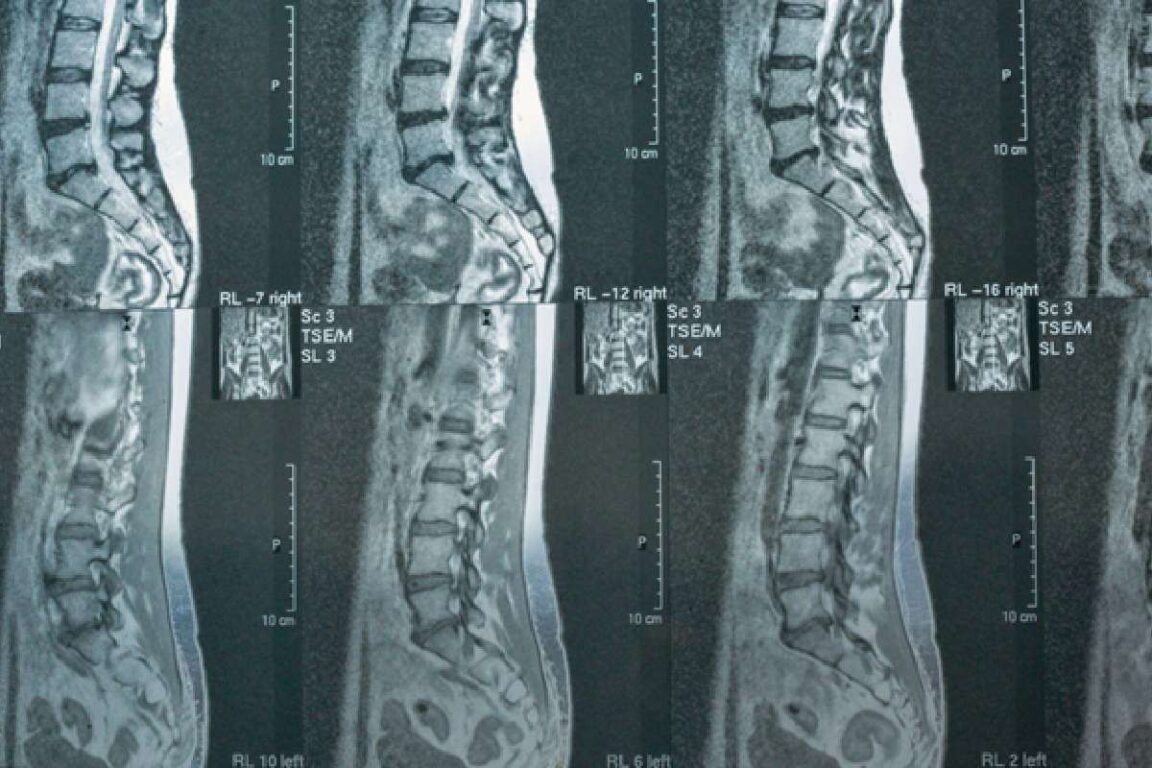
Chronic back pain and complex spine disorders can disrupt every aspect of daily life, from walking and working to enjoying everyday activities. Navigating treatment options is often overwhelming, especially when symptoms are severe or don’t respond to standard care. As demonstrates, the best outcomes typically come from a coordinated approach where medical specialties work together. Integrated pain management and neurosurgery teams bring their unique skills to the table, offering a blend of non-surgical therapies and advanced surgical techniques.
Defining Complex Spine Disorders
Complex spine disorders involve more than the usual back pain or disc problems. These cases often include multiple levels of degeneration, nerve compression, or structural instability, which can affect the ability to walk, work, or carry out daily activities.
People living with these conditions might notice pain that radiates into the arms or legs, numbness, tingling, or even muscle weakness. Conditions such as spinal stenosis and severe degenerative disc disease are frequently classified in this category due to their impact on mobility and quality of life.
Neurosurgery’s Role in Spine Care
Neurosurgeons are specially trained to address disorders affecting the spine and nervous system. Their expertise extends to treating conditions that compress spinal nerves or cause instability, often requiring precise surgical intervention.
Surgical options might include decompression to relieve nerve pressure or spinal fusion to restore stability. While some patients respond well to traditional care, others benefit from surgery when pain or neurological issues persist, allowing them to regain function and improve their daily lives. Sometimes, these surgical interventions can prevent future complications as well, especially when instability threatens the spinal cord or nerves.
Pain Management Strategies for Spine Disorders
Specialists take a non-surgical approach to treating spine-related pain. They use a variety of methods, such as targeted injections, physical therapy, and medication management, all designed to reduce discomfort and enhance mobility. In addition, these providers often educate patients about lifestyle changes that may lessen symptoms and improve outcomes over time.
In many cases, patients start with pain management to avoid or postpone surgery. Techniques like nerve blocks or epidural steroid injections can help manage symptoms while supporting the patient’s ability to stay active. By focusing on symptom control and functional improvement, pain management lays the groundwork for a comprehensive care plan.
The Value of Integrated Care
When neurosurgeons and pain management specialists work together, patients often receive more personalized care. This approach allows both teams to share their insights on the patient’s condition, leading to more informed decisions and timely treatment adjustments. Careful coordination can help identify when conservative measures are no longer effective and when surgery becomes the right next step.
Integrating both specialties not only streamlines the treatment process but also helps minimize delays, reduces redundant testing, and ensures that each patient’s unique needs are addressed throughout their care.
The Patient Experience
A patient with a complex spinal condition might begin with a thorough evaluation by both specialties. After initial assessment, pain management may lead to the early phase, focusing on non-surgical therapies and monitoring progress. If symptoms persist or worsen, neurosurgery becomes more involved, offering advanced diagnostic tools and surgical expertise. At each stage, communication between teams is crucial for making swift, well-informed care decisions.
This partnership doesn’t stop after surgery; pain specialists often continue to help manage recovery and rehabilitation, supporting the patient as they return to regular activities. Such a seamless transition between specialties helps patients feel supported every step of the way.
Innovations Shaping Spine Care
Recent years have brought considerable advances to multidisciplinary spine care. Digital health records now enable pain management and neurosurgery teams to share information quickly, reducing communication gaps. New surgical techniques, such as minimally invasive procedures, mean shorter hospital stays and faster recovery. Surgeons today can use real-time imaging and navigation technologies that improve precision and safety, leading to better results.
Technology like real-time imaging and remote monitoring tools supports both diagnosis and follow-up. Together, these innovations make it easier for integrated teams to deliver efficient, high-quality care for people with complex disorders. As healthcare technology continues to progress, collaboration will play an even larger role in improving outcomes.